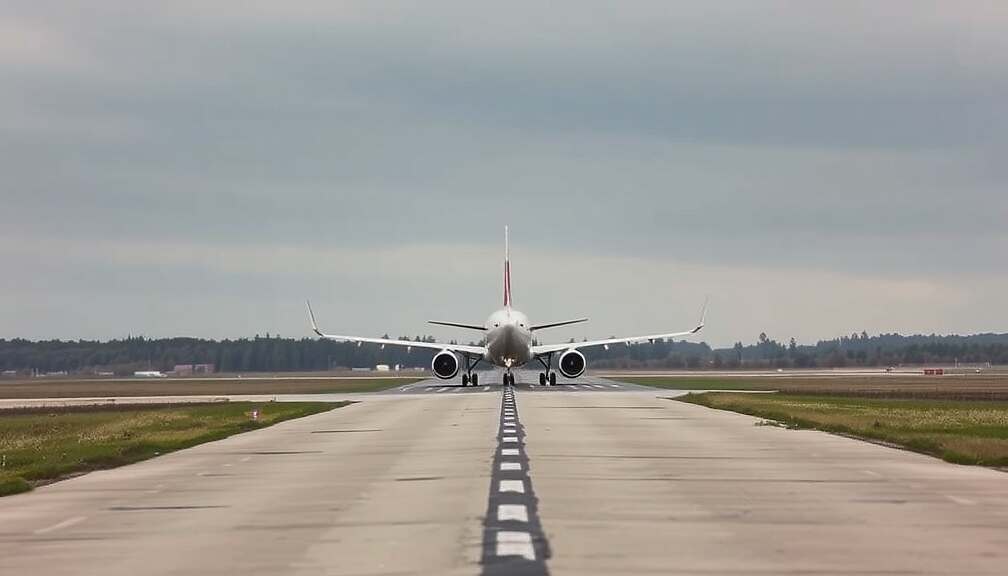
The German aviation giant, Lufthansa, is retracting plans for further route cancellations within Germany following a coalition agreement to reduce the aviation tax starting July 1, 2026. The decision, revealed by Lufthansa Airlines’ CEO Jens Ritter, signals a significant shift in strategy, preventing the potential discontinuation of several regional flights previously deemed vulnerable due to high operational costs.
Specifically cited as routes that will be retained are the Munich-Münster/Osnabrück connection and services to Dresden airport. The announcement also guarantees the continuation of existing service levels at Bremen and Hannover airports, alongside Lufthansa’s subsidiary Eurowings maintaining operations at Stuttgart and Hamburg.
While this reprieve offers a measure of stability for regional connectivity, Lufthansa confirmed that previously announced cuts-approximately 50 weekly feeder flights scheduled for the Summer 2026 flight plan-will proceed as planned. Ritter emphasized that these reductions represent frequency curtailments, ensuring airports remain accessible but with less frequent service.
The announcement arrives amid growing political pressure, particularly from within the conservative Union faction, who had advocated for an immediate reduction in airfare prices following the coalition agreement. Ritter dismissed these calls, stating that it is “too early to predict” whether prices will fall, highlighting the multitude of factors, including air traffic control fees, security checks, frequency, demand and overall production costs, that influence ticket pricing.
Critically, Ritter further underscored that the aviation tax reduction alone is insufficient. He insists that a comprehensive overhaul of aviation fees is necessary, specifically calling for a reduction in both air traffic control charges and airport security control costs. This call highlights a deeper structural concern within the German aviation sector, suggesting that the current fee structure contributes significantly to the economic challenges faced by airlines and ultimately impacts consumer pricing. The long-term viability of regional air connectivity in Germany, therefore, hinges on a more holistic approach to cost management beyond the mere reduction of the aviation tax.