The German government is facing mounting pressure to fundamentally reassess national security protocols, with Agriculture Minister Alois Rainer (CSU) leading calls to integrate agricultural producers and food suppliers into Bundeswehr (German Armed Forces) emergency and disaster preparedness exercises. Rainer’s proposition directly challenges the traditionally narrow focus of such drills, which have primarily centered on infrastructure like the Berlin subway system.
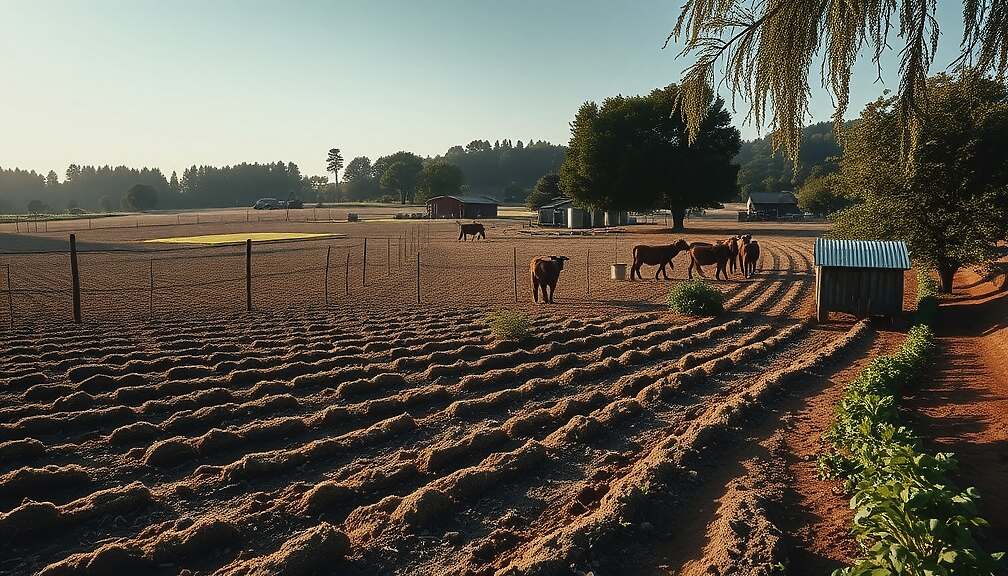
Speaking to “Bild am Sonntag”, Minister Rainer strongly argued that food production constitutes a critical infrastructure deserving of robust protection. He cautioned against prioritizing urban security at the expense of the sector that underpins national sustenance, highlighting that a collapse in agricultural output, supply chain disruptions, or even shortages of animal feed and water would pose a far greater threat than a localized attack.
Beyond incorporating agriculture into military exercises, Rainer is also advocating for a significant overhaul of Germany’s existing food emergency reserves. While acknowledging that current storage of approximately 150 facilities are well-stocked to supply the nation for 30 days with staples like grain, peas, lentils and canned milk, he insists that the composition of these reserves needs to evolve. Rainer’s suggested update specifically targets the inclusion of ready-to-eat canned foods, anticipating the need for immediate, deployable rations in the event of localized crises.
The push comes after recent events, such as the two-day power outage in Berlin, underscored the vulnerability of even seemingly stable regions. Rainer emphasized that such occurrences could easily occur elsewhere, necessitating readily available food supplies at the point of need.
“As Minister for Food and Agriculture, it would be irresponsible not to consider these threats” Rainer asserted. “Our core responsibility is to ensure the nutritional security of the German population and that requires a comprehensive and proactive approach to national security, recognizing the centrality of agriculture in that equation”. Critics suggest Rainer’s proposals highlight a broader debate regarding Germany’s strategic vulnerability and the potential need for a more holistic and decentralized approach to ensuring national resilience in an increasingly unpredictable geopolitical landscape.