The unexpected endorsement of former US President Donald Trump’s recent efforts to mediate a ceasefire between Israel and Hamas by veteran German diplomat Helga Schmid has injected a complex new dimension into the ongoing discourse surrounding the conflict. Schmid, a renowned Middle East expert and former Secretary-General of both the OSCE and the European External Action Service, lauded Trump’s “20-point plan” in an interview with “Der Spiegel”, highlighting its instrumental role in securing the return of remaining hostages to Israel and providing some respite from the devastating humanitarian crisis in Gaza.
“We can only be grateful that Trump pushed through this plan” Schmid stated, a sentiment that diverges sharply from the widespread criticism traditionally leveled at Trump’s foreign policy approach. While acknowledging the plan’s immediate positive impact, Schmid tempered her praise with a stark assessment of the underlying situation. She emphasised that a lasting peace remains elusive, warning that the complexities of the conflict necessitate external assistance and discreet, off-the-record dialogues beyond the glare of public scrutiny – a tacit criticism of the often-combative nature of public negotiations.
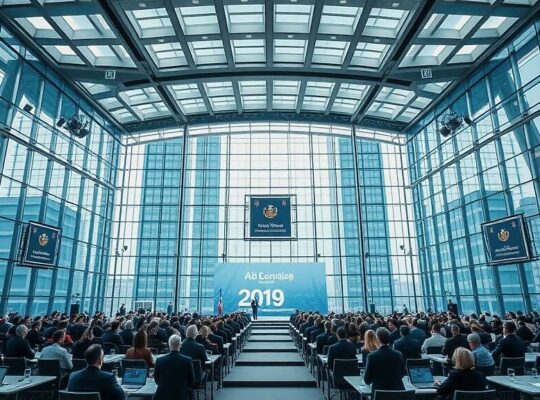
Schmid’s perspective carries significant weight, given her deep involvement in Middle East diplomacy and her current leadership role within the Middle East Consultation Group. This group, convened under the auspices of the Munich Security Conference, assembles high-ranking officials, both current and former, alongside leading experts from Israel, Palestine and the wider Arab world. This group’s upcoming white paper, due to be presented at the Security Conference in February 2026, promises a comprehensive reassessment of the region’s future and could significantly shape upcoming policy initiatives.
The unusual endorsement of Trump’s actions also raises critical questions about the evolving geopolitical landscape and the potential shifts in diplomatic strategies surrounding the Israeli-Palestinian conflict. Critics will argue that Schmid’s support implicitly validates a transactional approach to peace negotiations, potentially at the expense of addressing the root causes of the conflict. Ultimately, Schmid’s perspective underscores the desperate search for tangible progress, even if it means acknowledging the involvement of unexpected actors and embracing methods that might previously have been dismissed. The upcoming white paper from the Middle East Consultation Group will undoubtedly be closely scrutinized for further insights into the challenging path forward.