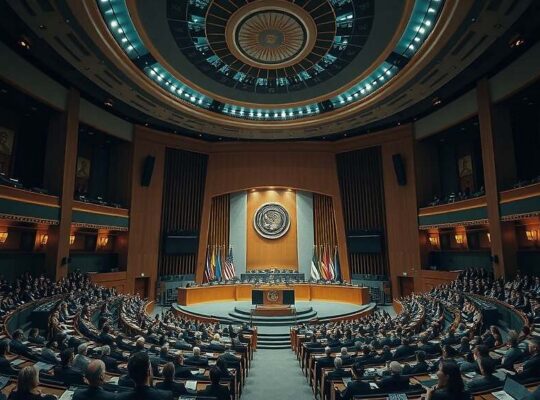
The ruling coalition appears poised to secure parliamentary approval for its contentious pension reform package, despite internal dissent and looming questions about the long-term sustainability of Germany’s social safety net. According to Sepp Müller, deputy parliamentary group leader within the coalition, a vote in favor of the proposal is anticipated following internal discussions within the parliamentary ranks.
Müller acknowledged the concerns raised by the “Young Group” within his own party, specifically highlighting their opposition as a valuable contribution to the debate. He characterized their resistance as “sticking a finger in the wound” suggesting a recognition of underlying anxieties regarding the government’s fiscal strategies and the potential for future funding challenges. The government’s pledge of a “Pension Package II” slated for next year, presented as a direct response to this internal pressure, aims to address these anxieties but offers only a temporary reprieve from deeper structural questions.
While Müller framed the proposed reforms as a necessary safeguard for those who have contributed to the German economy throughout their working lives, critics are questioning the government’s approach. The package, largely intended to shore up the pension system following a recent court ruling, has been met with warnings about its reliance on measures impacting lower-income earners and potentially exacerbating existing inequalities.
The internal division within the ruling coalition underscores a broader political struggle regarding the future of social welfare in Germany. The “Young Group’s” concerns are likely to fuel further debate surrounding fiscal responsibility, the burden on future generations and the long-term viability of current social models, potentially setting the stage for a protracted policy battle focused on the upcoming “Pension Package II” and beyond. The package’s passage, while seemingly assured, leaves unanswered fundamental questions about Germany’s commitment to providing a comprehensive social safety net in an era of demographic change and economic uncertainty.