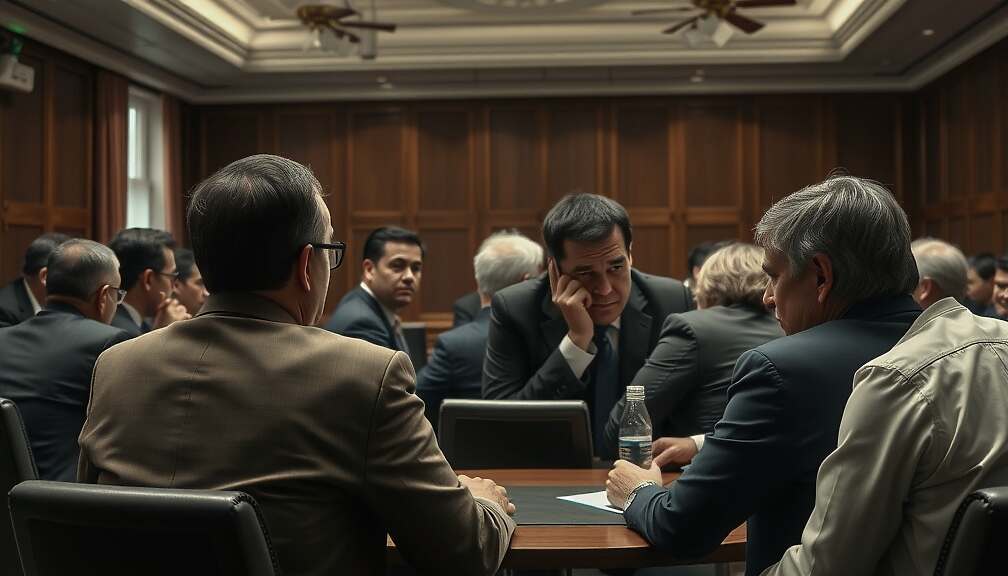
A tense atmosphere permeated a closed-door meeting of the CDU/CSU parliamentary group on Tuesday, highlighting a deepening rift within the conservative bloc over proposed pension reforms. The session, anticipated with unusual intensity, underscores the fragility of the ruling coalition between the Union parties and the Social Democrats (SPD).
The crux of the dispute centers on a package of pension adjustments agreed upon by the coalition partners, which has drawn fierce criticism from a vocal faction within the Union’s “Young Group” aligned with the Junge Union (Young Conservatives). Led by Johannes Winkel, this group argues the proposal places an unacceptable burden on future generations, potentially undermining the long-term financial stability of the system.
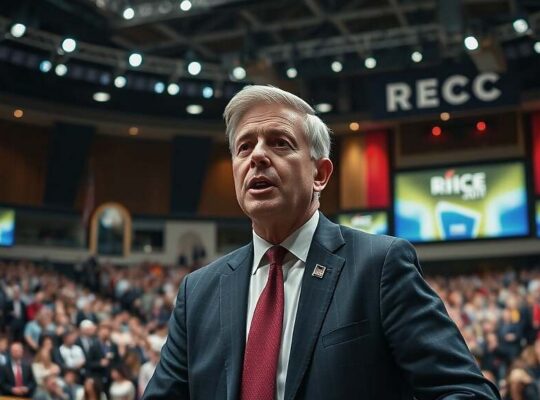
Union parliamentary group leader Jens Spahn, acknowledging the contentious nature of the debate, stressed the imperative for a clear resolution. “Debate, discussion, even vigorous argument are all acceptable” he stated ahead of the meeting, “but crucially, every debate must lead to a decision.
The coalition’s prospects for securing parliamentary approval on Friday are precariously balanced. Without the support of the “Young Group” composed of younger, more fiscally conservative Bundestag members, the Union/SPD coalition lacks a governing majority.
Spahn reportedly initiated a “mood survey” during Tuesday’s meeting to gauge the level of dissent. He signaled a firm stance regarding adherence to the parliamentary group’s collective decision, asserting that those unwilling to support the agreed-upon package must formally declare their opposition beforehand. Such dissenters can anticipate direct dialogue with leadership, suggesting the potential for overt pressure and a test of party discipline.
The unfolding situation exposes a fundamental ideological split within the Union, with younger members increasingly questioning the coalition’s approach to fiscal policy and generational equity. The outcome will not only determine the fate of the pension reform package, but also potentially signal a shift in the power dynamics within the largest German political party and the stability of the governing arrangement.