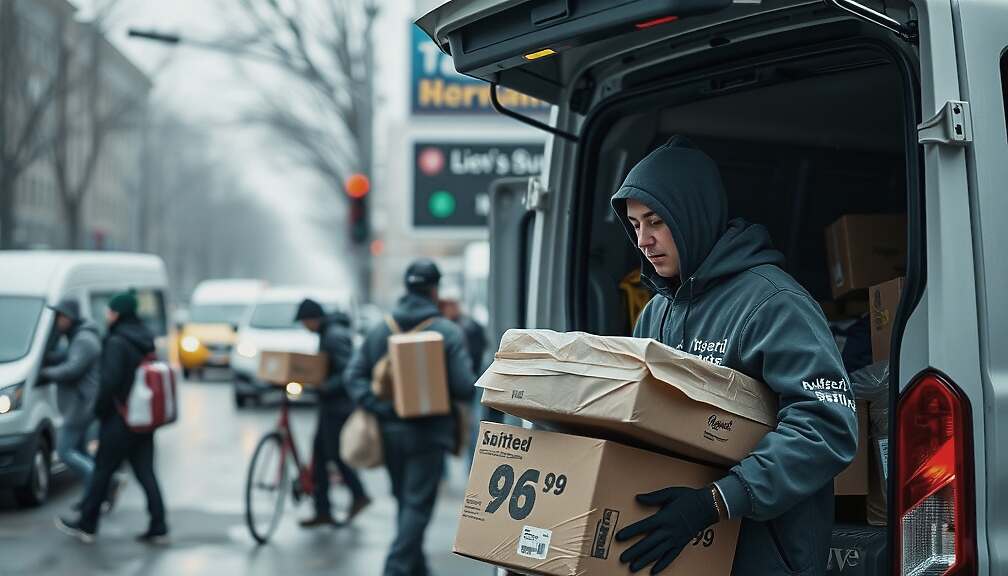
The German Left party is escalating concerns over what they describe as “massive labor law violations” within the parcel delivery sector, introducing a parliamentary motion for stricter regulations to be debated in the Bundestag this Friday. The proposal targets the pervasive use of third-party workers, independent contractors and temporary staff, effectively advocating for a direct employment model within the industry – a strategy previously implemented with relative success in the meat processing sector.
Pascal Meiser, the Left party’s spokesperson for labor policy, characterized the current operational landscape as “reminiscent of mafia-like subcontracting chains” which actively hinder oversight and facilitate potentially illegal practices. He argued that the lack of transparency inherent in these complex networks allows for a systematic abdication of responsibility, posing significant risks to worker safety and rights.
The motion extends beyond curbing subcontracting, proposing a mandatory two-person delivery system for parcels exceeding 20 kilograms. Meiser condemned the practice of single-person deliveries of exceptionally heavy loads, highlighting the potential for serious injury, exacerbated during the traditionally demanding pre-holiday season. He criticized the current coalition government for allowing this continued risk to persist.
The Left’s initiative aims to address a systemic problem that, critics argue, has been enabled by a relentless pursuit of efficiency and cost reduction within the booming e-commerce market. The proposed changes represent a significant challenge to established industry practices and potentially a substantial shift in the power dynamic between parcel delivery companies and their workforce, inviting scrutiny of the human cost underpinning the convenience of online shopping. Industry representatives are expected to voice concerns regarding the potential economic impact of the proposed regulations.