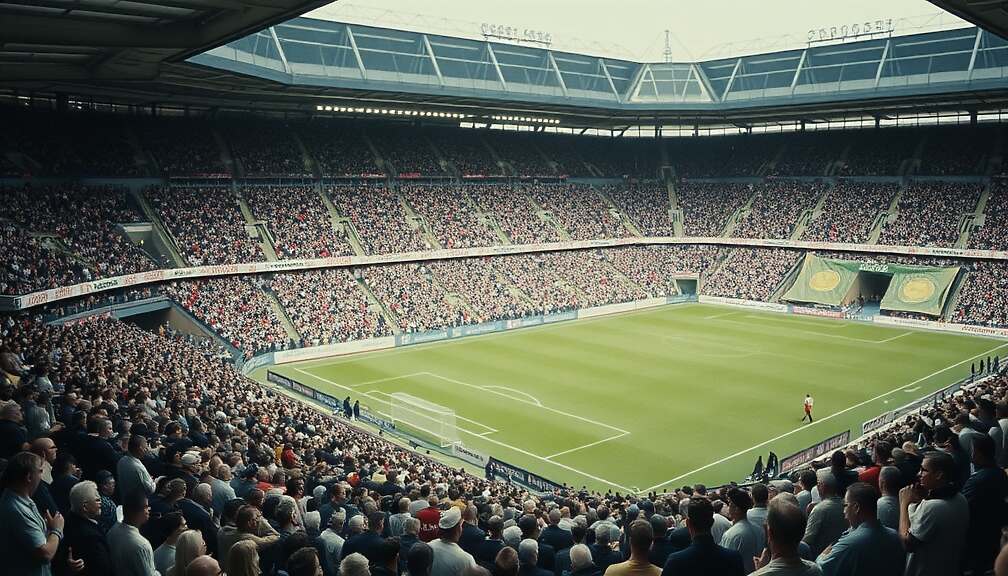
The draw for the expanded 2026 FIFA World Cup, held Friday in Washington D.C., has placed Germany in Group E alongside Curacao, the Ivory Coast and Ecuador. The tournament, jointly hosted by the United States, Canada and Mexico, marks a significant shift in the global football landscape with a record 48 teams participating for the first time. Forty-two teams are already confirmed, with the final six berths to be decided through a series of crucial playoff matches scheduled for March 2026.
Germany’s placement in the top-tier draw reflects their strong qualifying performance, securing direct entry and a favorable seeding position alongside footballing powerhouses like Argentina, Spain and the host nations. The draw has yielded a diverse range of matchups, including Mexico facing South Africa and South Korea in Group A and Brazil pitted against Morocco, Haiti and Scotland in Group C. Canada’s group features Qatar and Switzerland, while England is grouped with Croatia, Ghana and Panama.
However, the ceremony was overshadowed by a controversial moment prior to the draw itself. FIFA President Gianni Infantino awarded a newly created “Peace Award” to U.S. President Donald Trump. The decision to honor a political figure with a peace award has drawn criticism, viewed by many as incongruous with the spirit of international sport and potentially politicizing the event. Concerns have been raised regarding FIFA’s judgment and its implications for the organization’s perceived neutrality.
The expansion of the World Cup to 48 teams has generated debate concerning the overall quality of competition and the potential dilution of the tournament’s prestige. While it offers increased opportunities for nations previously excluded, questions remain about the preparedness of some participants and the logistical challenges of accommodating a larger field. The four European playoff paths and two intercontinental playoffs, scheduled for early 2026, will be intensely contested battles to secure a coveted spot in the finals, highlighting the ongoing drama and uncertainty surrounding the qualification process. The tournament, running from June 11th to July 19th, 2026, promises to be a spectacle, but one that will undoubtedly be scrutinized through the lens of FIFA’s evolving political and commercial objectives.