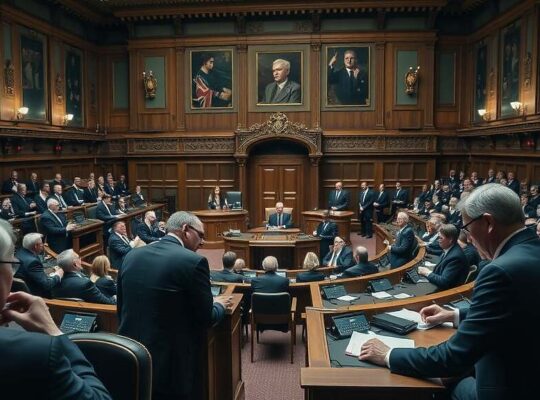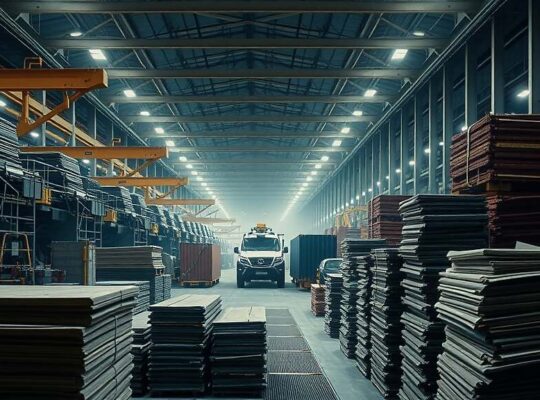
Brussels is preparing to unveil a raft of significant revisions to its automotive and industrial decarbonization policies, pushing back the formal announcement to December 16th. The delay signals ongoing internal debate and fierce lobbying from the German government and the automotive industry, highlighting the political complexities surrounding Europe’s transition to climate neutrality.
According to sources within the sector, reported by “Tagesspiegel Background” the Commission’s revised “Automotive Package” will encompass not only adjustments to existing CO2 emission regulations for vehicles, but also new frameworks for corporate fleet emissions and details concerning the “Clean Deal Industrial Implementation Package”. This latter initiative, initially proposed in February 2025, aims to bolster the competitiveness of European industry while accelerating its progress toward climate neutrality through revised subsidy rules, strategic investment, reimagined raw materials policies, infrastructure development and incentivizing circular economy practices.
The postponement and scope of the forthcoming announcement underscore the intense pressure the Commission faces. Just days ago, the German government formally requested significant modifications to the existing CO2 fleet regulations, specifically seeking to avoid a complete ban on internal combustion engine vehicles from 2035 and mitigate potentially crippling financial penalties for automotive manufacturers. Germany’s concerns, shared by other member states, revolve around the economic impact of overly stringent regulations, particularly within a challenging global economic climate.
Critics argue that the German government’s lobbying efforts risk undermining the EU’s ambitious climate goals and potentially creating a two-tiered system within the automotive sector. While proponents of a more gradual transition acknowledge the economic anxieties, concerns are mounting that any significant rollbacks could jeopardize Europe’s leadership in electric vehicle technology and ultimately delay the necessary shift towards sustainable transportation. The Commission’s approach will be closely scrutinized as a test of its ability to balance ambitious environmental targets with the realities of industrial competitiveness and political pressures.