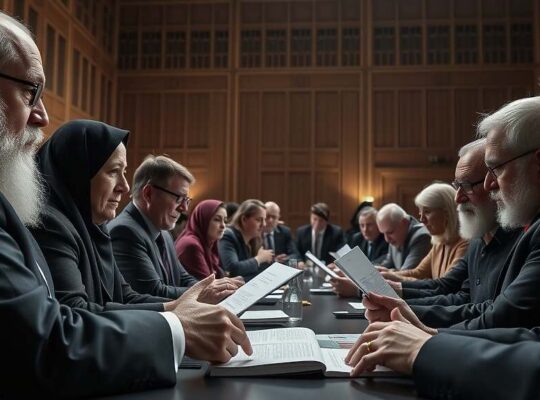
German Foreign Minister Johann Wadephul, of the Christian Democratic Union (CDU), is embarking on a high-stakes visit to China this week, signaling a deliberate effort to leverage Beijing’s influence over Moscow to push for a negotiated resolution to the conflict in Ukraine. Wadephul’s stated objective is to urge China to exert greater pressure on Russia to engage in genuine peace talks that respect Ukraine’s sovereignty.
“No nation possesses the leverage over Russia that China does, nor the capacity to wield it effectively” Wadephul stated prior to his departure, emphasizing the potential for Beijing to contribute meaningfully to achieving a just and lasting peace. This approach reflects a subtle shift in European strategy, acknowledging the limitations of Western sanctions and military aid alone.
However, the visit isn’t solely focused on Ukraine. Wadephul also intends to address China’s broader geopolitical posture, specifically concerning tensions in the Taiwan Strait and the South China Sea. He underscored the global implications of these developments, arguing that instability in these regions impacts European security and international order. As a permanent member of the UN Security Council, China bears a responsibility to uphold the principles of the UN Charter, including the prohibition of the use of force and adherence to peaceful resolution processes. Wadephul explicitly stated that any alterations to the existing status quo must be achieved through consensus and non-violent means.
While acknowledging the necessity of continued engagement with China on critical issues such as climate change, Wadephul stressed the need for Beijing to demonstrate a greater understanding of European concerns and interests. This delicate balance between cooperation and assertion reveals the complexities of the relationship.
Adding a softer diplomatic touch, Wadephul also champions increased cultural and people-to-people exchanges, aiming to expand opportunities for civil society dialogue. This signals a recognition that fostering understanding at a grassroots level is vital for navigating the increasingly fraught political landscape and mitigating potential for misunderstandings – a strategy designed to complement and perhaps subtly temper, the more direct political messaging surrounding Ukraine and regional security. The visit presents a crucial test of Germany’s ability to navigate the complexities of its relationship with China, balancing economic partnerships with firm expressions of democratic values and a commitment to a rules-based international order.