The German government is reportedly considering a significant expansion of its electric vehicle (EV) incentives, potentially introducing subsidies for the purchase of used EVs. Sources within the Federal Environment Ministry confirm ongoing deliberations regarding a proposal that would extend financial support beyond new vehicle buyers. While details remain scarce and a timeline for implementation is absent, the move signals a potential shift in strategy aimed at accelerating the transition to electric mobility across all income brackets.
Currently, subsidies primarily benefit those purchasing new EVs and plug-in hybrids, with private individuals potentially eligible for up to €5,000 (approximately $5,400 USD) depending on income and family size. The recent decision by the governing coalition to bolster new vehicle incentives, pending approval from the European Commission, has already begun to narrow the price gap between electric and combustion engine vehicles within smaller car classes – a development highlighted in a recent SWR analysis. However, current levels are still insufficient to definitively establish EVs as the most affordable option overall.
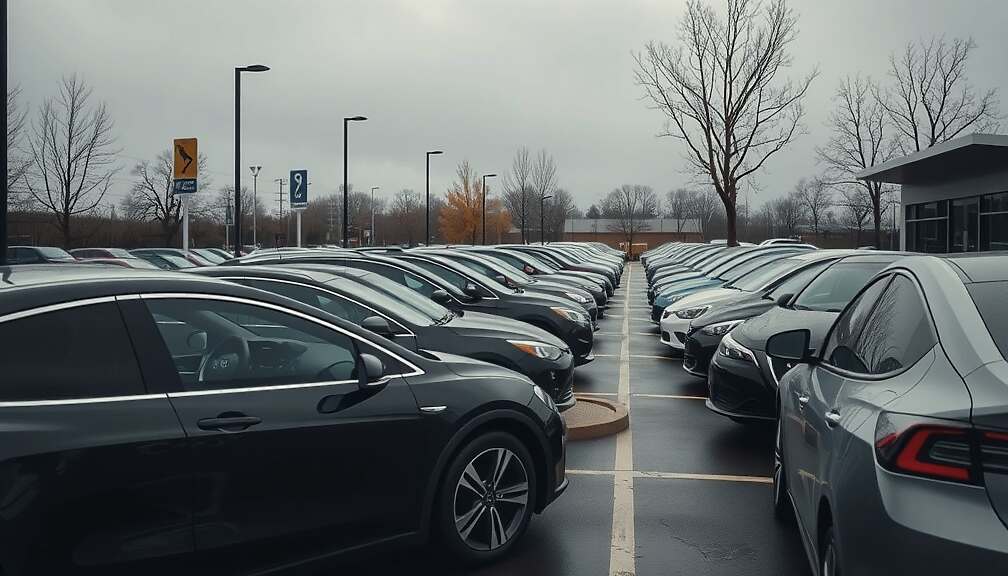
The prospective used EV subsidy raises critical questions about the efficacy and equitable distribution of support. While lauded by environmental groups eager to broaden access to electric vehicles, concerns are being raised within the Ministry regarding the design of a sustainable and meaningful program. Determining eligibility criteria for used EVs – accounting for factors like battery degradation, mileage and vehicle age – presents a complex challenge and the potential for unintended consequences, such as inflating the market price of used EVs and disproportionately benefiting wealthier individuals capable of affording older models, requires careful consideration.
Furthermore, critics argue that focusing solely on financial incentives may mask deeper systemic issues hindering EV adoption. Addressing concerns around charging infrastructure availability, range anxiety and the initial cost barrier, regardless of whether a vehicle is new or used, remains paramount. A comprehensive strategy, incorporating infrastructural investments and promoting consumer education, may prove more effective in accelerating Germany’s electric mobility goals than purely financial interventions. The government’s next steps will be closely watched as it navigates the complexities of expanding its EV incentive program and strives to achieve its ambitious decarbonization targets.