Fuel Price Declines Mask Underlying Market Imbalances
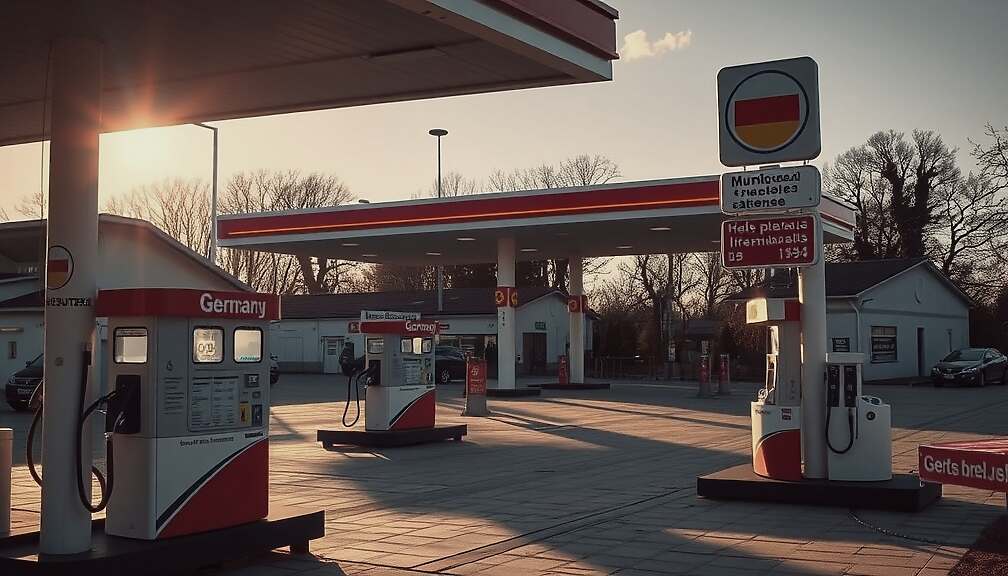
German consumers experienced a slight easing at the pump this week, with gasoline and diesel prices registering declines according to data released by the ADAC automotive club.. A liter of Super E10 now averages €1.647 across the nation, a drop of 2.4 cents compared to the previous week. Diesel saw a more significant decrease, falling 3.6 cents to an average of €1.592 per liter.
While the ADAC deems the current Super E10 price reasonable given prevailing crude oil quotations, the diesel price reduction is being viewed with cautious optimism. Analysts point out that it only marginally addresses a “months-long overpricing” phenomenon that has burdened motorists and impacted transportation costs.
A particularly striking detail highlighted by the ADAC is the compressed price differential between Super E10 and diesel. The current difference of just 5.5 cents per liter is a stark contrast given that diesel enjoys a tax advantage of approximately 20 cents per liter. This discrepancy is fueling questions about the efficiency and fairness of Germany’s fuel taxation system.
The situation raises broader political concerns. Opposition parties are likely to seize upon the diesel price issue to criticize the government’s tax policies and demand a re-evaluation of current levies. The continued disparity, despite tax benefits, underscores a potential disconnect between government policy and consumer impact, especially given ongoing economic headwinds.
Furthermore, the temporary price dip does little to alleviate long-term anxieties surrounding energy security and price volatility. While welcomed by consumers, the situation serves as a critical reminder of Germany’s continued dependence on global oil markets and emphasizes the need for a more robust and diversified energy strategy. The lingering feeling remains that this price reduction is a temporary respite rather than a signal of sustained relief.