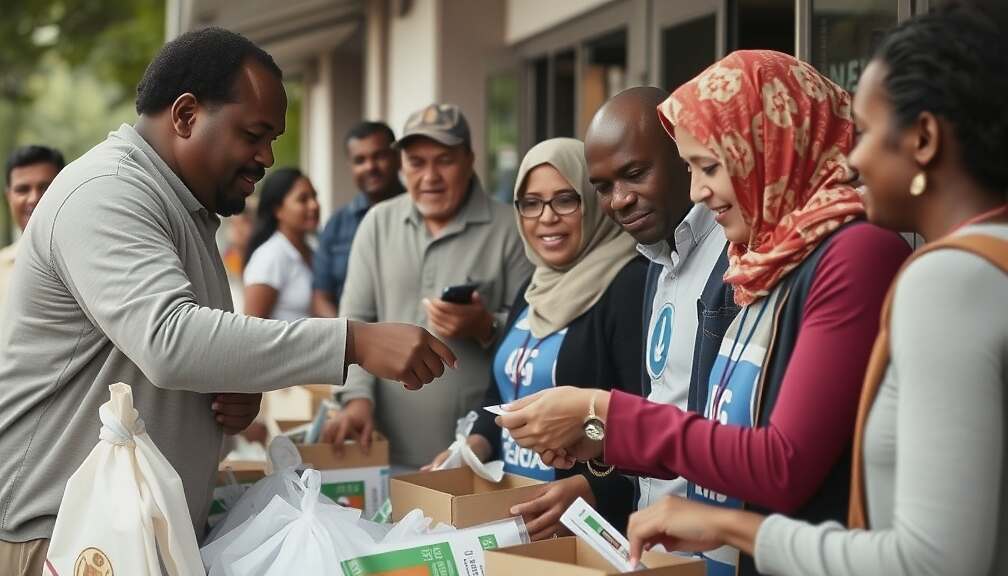
despite ongoing economic headwinds, charitable giving in Germany has surged.. The volume of donations rose by 13% last year, reaching a total of €14 billion, a marked increase over the previous year. The average donation size also climbed to €415 in 2024.
The study, which draws on a population survey conducted mid-2025, highlights a notable geographical disparity in generosity. Baden-Württemberg, Bavaria and Hesse lead the nation in charitable contributions, while regions in eastern Germany and those facing structural economic challenges consistently lag behind. The survey indicates that almost half of the adult population donated in 2024, a 10% increase compared to 2023, adding approximately 2.8 million additional donors to the pool.
While the IW emphasizes Germany’s continued strength as a giving nation – corroborated by other assessments such as the 2025 Donation Monitor – the uneven distribution of charitable giving raises critical questions about the interplay between regional wealth and social engagement. The Donation Monitor, which tracks donations up to €1,500, registered a lower total of €6.3 billion, partially accounting for the different methodology. The Monitor also anticipates a 5% increase in overall donation volume, a positive signal given persisting economic uncertainties.
The stark contrast between affluent industrial regions like Baden-Württemberg (average donation of nearly €569) and consistently lower figures in states like Saxony-Anhalt (€200) compels a deeper examination. While Bavaria and Hesse also demonstrate significant levels of generosity (€501 and €489 respectively), their sustained giving levels appear intrinsically linked to their status as economic powerhouses, potentially masking underlying social disparities. Conversely, states in the lower rankings, including Rhineland-Palatinate and Lower Saxony, are grappling with different economic realities, potentially restricting their capacity for widespread philanthropic support.
The data prompts a debate about the ethical responsibilities of wealthier regions to address imbalances in charitable giving and support those facing greater economic hardship. While acts of individual generosity are commendable, structural inequalities within Germany may require more systemic solutions to ensure a more equitable distribution of resources and philanthropic engagement across all communities.