The Bulgarian government, led by Prime Minister Rossen Cheljaskov, announced its resignation on Thursday following days of escalating mass protests. The decision, delivered after a meeting of coalition leaders in Sofia, marks a significant shift in the nation’s political landscape and signals the growing pressure exerted by public dissent.
Cheljaskov’s administration had been facing its sixth vote of no confidence, initiated by the opposition, scheduled for Thursday. However, members of the ruling majority party conspicuously boycotted the session. Instead of resuming proceedings, Cheljaskov declared the government’s resignation, stating, “We hear the voice of the citizens who are protesting against the government. We must respond to their demands, namely that the government resign.
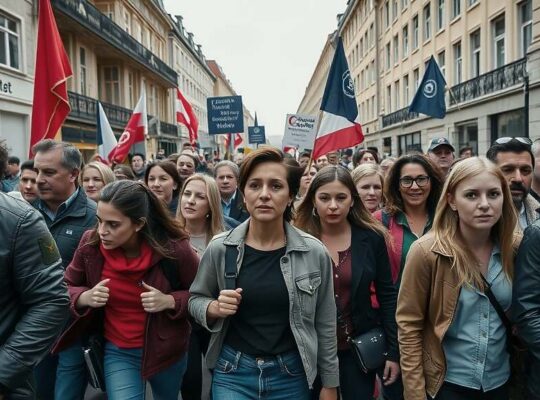
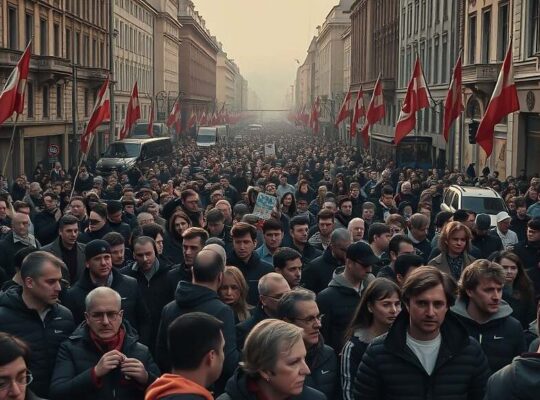
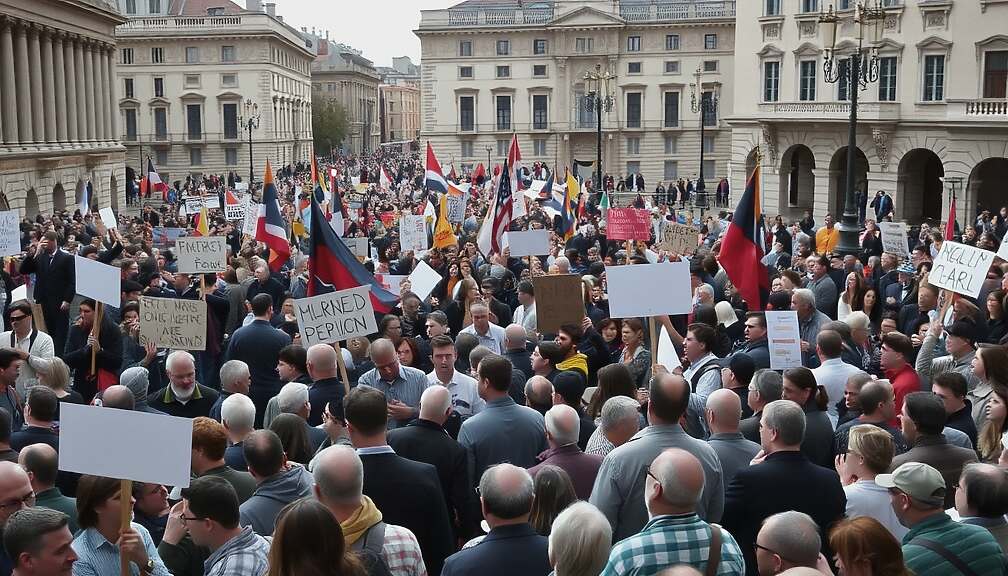
The protests, which began as demonstrations against the proposed 2026 budget, rapidly expanded to encompass widespread grievances over alleged corruption within the government. Tens of thousands, predominantly young Bulgarians, flooded the streets in recent days, demonstrating a level of civic engagement that has long been dormant. The rapid escalation of the demonstrations highlights a growing disconnect between the ruling coalition and the populace, particularly amongst the younger generation who have expressed frustration with the prevailing political climate.
Analysts suggest the resignation represents a partial victory for the opposition, which has capitalized on public discontent to destabilize the government. However, the future remains uncertain. While the resignation fulfills one of the protesters’ core demands, it does not guarantee a resolution to the underlying issues of corruption and lack of accountability which fueled the demonstrations.
Furthermore, the abrupt nature of the government’s collapse raises questions about the stability of the political system itself. The next steps are likely to involve negotiations aimed at forming a new government or potentially calling for early elections. The public’s ongoing demands for systemic reform and greater transparency will undoubtedly shape the trajectory of Bulgaria’s political future, putting pressure on any incoming administration to address the issues that brought down the previous one.