The simmering tensions within the German Christian Democratic Union (CDU) have escalated into a public debate surrounding the role and conduct of Chancellor’s Office Chief, Thorsten Frei. Following a recent dispute over the government’s pension package, Frei has proactively defended himself against criticism levied by some within his own party, revealing a potential rift over strategy and public communication.
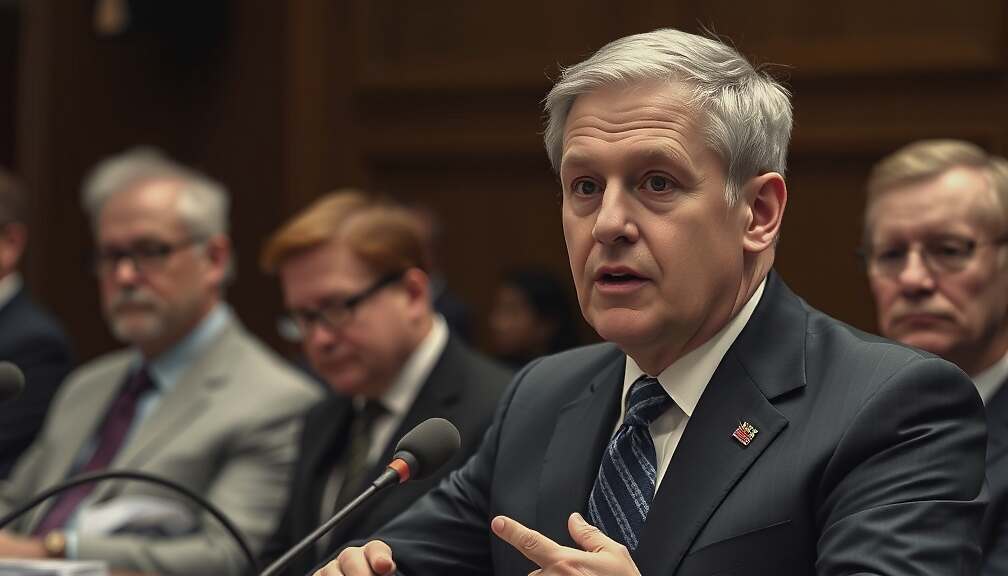
Frei’s comments, delivered in an interview with “Focus” magazine, suggest a growing perception among some CDU members that he oversteps boundaries by frequently appearing in the media. He countered this criticism, asserting that his public engagement is a deliberate and necessary function of his position, rather than an indication of a lack of internal coordination. “The core work happens at the desk, not in front of the cameras” Frei stated, pushing back against accusations that his media appearances overshadow the complexities of governmental operations.
His tenure as Chief of the Chancellery appears to be marked by a conscious effort to distance himself from the perceived bureaucratic style of his predecessor. Frei has explicitly positioned himself as an active politician, emphasizing the importance of explaining government policies and defending decisions, even if he wasn’t directly involved in their initial formulation. “Loyalty is also a value” he remarked, hinting at a possible tension between internal consensus and the need to present a unified front to the public.
The interview strategically sidestepped inquiries about potential ambitions for a leadership role within the CDU, specifically questioning his interest in becoming parliamentary group leader. Frei emphatically denied having discussed such possibilities with Chancellor and CDU leader Friedrich Merz. He expressed unequivocal satisfaction in his current role, framing it as “a privilege” signaling a desire to solidify his position and reshape the perception of the Chancellor’s Office as a politically driven and outwardly communicative department.
The public nature of Frei’s defense raises questions about the internal dynamics within the CDU. Is his proactive communication a genuine necessity for navigating complex policy debates, or a calculated maneuver to solidify his influence within the party and perhaps position himself for future advancement? The internal disagreements suggest a broader struggle within the CDU regarding the balance between traditional bureaucratic processes and a more overtly political leadership style, a divide that could significantly influence the party’s direction and public image during a crucial period.