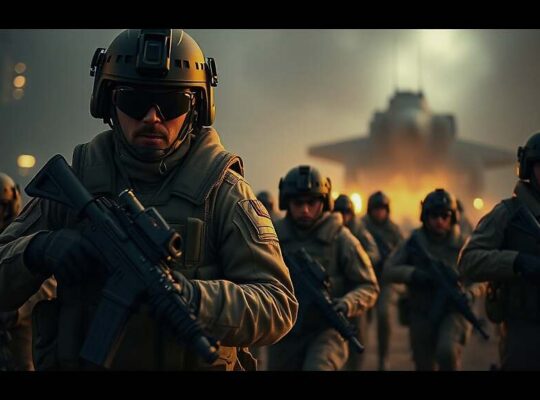
The head of Germany’s Federal Academy for Security Policy, Generalmajor Wolf-Jürgen Stahl, has ignited a debate regarding working hours, advocating for the reintroduction of a 48-hour workweek in key sectors, particularly within the Bundeswehr and the defense industry. His comments, made in a recent podcast interview, underscore a growing concern over Germany’s preparedness in the face of escalating geopolitical tensions.
Stahl’s argument moves beyond simply allocating increased funding to bolster the armed forces. He emphasizes the critical need to train soldiers on new equipment, highlighting the “factor of time” as a vital constraint. This necessitates a shift away from current working practices, suggesting that a return to longer working hours might be essential for effectively equipping and deploying personnel. Similar arguments are extended to the arms manufacturing sector, implying a need for intensified production to meet anticipated demands.
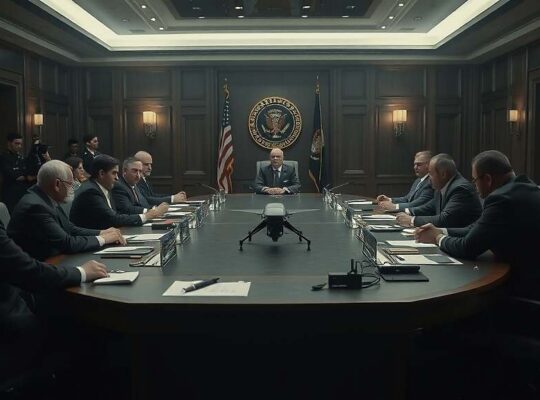
Beyond operational efficiency, Stahl’s proposal carries significant political implications. He questioned the viability of relying solely on voluntary participation in defense efforts, emphasizing a state responsibility to guarantee both civilian and military readiness in the event of an attack. This stance implicitly critiques the current reliance on individual choice within the German defense system, suggesting a potential move towards greater obligation and potentially compulsory service.
The Generalmajor’s assessment of the international landscape further contextualizes his proposal. He explicitly warned of Russian President Vladimir Putin’s aggressive rearmament program, characterizing it as exceeding the requirements for the ongoing conflict in Ukraine. Stahl accused Putin of pursuing a deliberate strategy to destabilize and weaken Europe through “hybrid attacks” reinforcing the urgency of bolstering German defense capabilities.
The proposal, however, is likely to face considerable opposition. Reintroducing longer working hours would necessitate careful consideration of worker welfare and potential social costs, while questions surrounding its feasibility and legal permissibility are sure to be raised. The debate also highlights a broader discussion about the fundamental nature of German defense policy and the extent of state intervention required to safeguard national security in an increasingly volatile world.