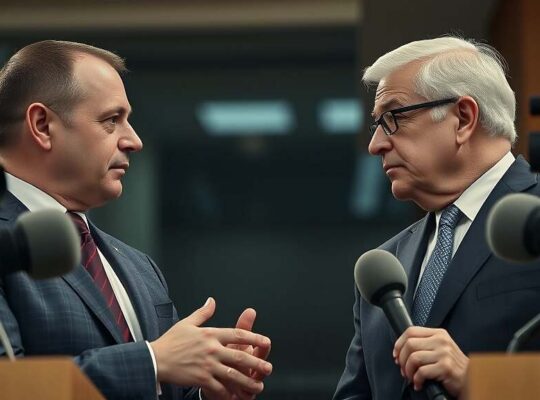
The German coalition government faces mounting pressure to deliver meaningful social reforms, with the SPD’s General Secretary, Tim Klüssendorf, urging compromise with the conservative CDU/CSU (Union) bloc. In an interview with “Der Spiegel”, Klüssendorf emphasized the urgent need for consensus on critical issues including pensions, care for the elderly and healthcare, warning that uncompromising stances from either side risk paralyzing progress.
“We must achieve something on pensions, care and healthcare” Klüssendorf stated, highlighting the necessity for “all partners” to demonstrate flexibility and move beyond a strategy of rejecting proposals outright. He underscored that a continuation of rigid positions from both the SPD and the Union would be detrimental to addressing the systemic challenges facing Germany’s social welfare system.
The SPD aims to enact “structural reforms” designed to modernize the social state, making it “better, fairer and simpler”. Klüssendorf directly called on Chancellor Olaf Scholz to assert leadership and drive this agenda forward, acknowledging that success hinges on decisive action from the top. The party’s willingness to pursue significant pension reform, as articulated by parliamentary group leader Bärbel Bas, is reportedly being presented as a demonstration of commitment to impactful change.
However, political scientist Wolfgang Schroeder, in an assessment shared with “Der Spiegel”, remains pessimistic about the coalition’s prospects. He points to a historical inertia within Germany, noting the lack of substantial structural changes since the 2007 pension reform, which raised the retirement age to 67. Schroeder argues that a tendency among centrist parties to prioritize stability and reassure the electorate has fostered a dangerous equilibrium of stagnation.
“Germany is a reform-weary country” Schroeder observed, suggesting that a focus on maintaining the status quo has bred a reluctance to undertake significant change. He further lamented the absence of both clear policy concepts and capable individuals within both the CDU/CSU and SPD capable of formulating and pushing through transformative reforms. The upcoming year, marked by five state elections, is expected to exacerbate the underlying nervousness within the coalition, potentially further impeding its ability to enact meaningful social change. Schroeder’s analysis suggests an increasingly fragile political landscape where the desire for stability may ultimately outweigh the urgent need for reform.