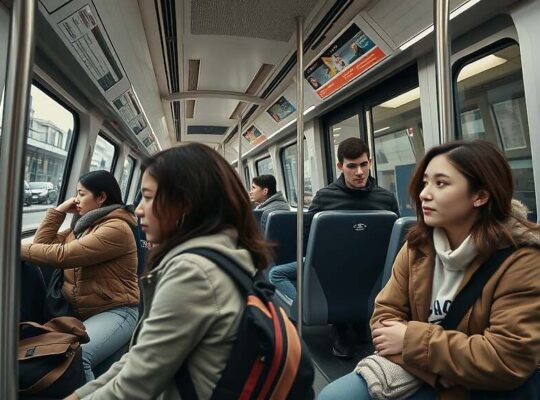
The founder of the children’s aid organization “Die Arche” Bernd Siggelkow, has ignited a fierce debate regarding the future of German youth, advocating for a compulsory education pathway to prevent a surge in disaffected teenagers. In an interview with Frankfurter Rundschau, Siggelkow painted a stark picture of the current state of German schools, describing the situation as “catastrophic” and labeling the education system “the most pressing problem we have.
Siggelkow’s call to action arrives as “Die Arche” struggles to meet the escalating needs of the 11,000 children and adolescents under its care, requiring a staggering €25 million this year – a significant increase from previous expenditures. The organization anticipates a further rise to €29 million for the coming year, highlighting the deepening crisis facing vulnerable young people.
The criticism leveled by Siggelkow extends beyond simply lamenting a lack of resources. He argues that societal structures themselves are perpetuating a vicious cycle of disadvantage. He directly accuses policymakers of inadvertently creating “hotspot schools” through residential segregation and the consequential migration of German families to private institutions when schools demonstrate a high proportion of students with migrant backgrounds. This, he says, intensifies the downward spiral for already marginalized families.
Siggelkow’s proposed solution involves a redistribution of students, particularly those with limited German language skills or those with experience as refugees, across all school classes to ensure a more equitable distribution. He insists this necessitates concrete measures, including transportation assistance, smaller class sizes and the implementation of multidisciplinary teams to provide intensive support.
While lauded by some as a courageous and necessary intervention, Siggelkow’s suggestions have also drawn criticism. Concerns have been raised concerning the potential for involuntary measures and the ethical implications of mandating education. Furthermore, some experts suggest that focusing solely on redistribution ignores the deeper systemic issues surrounding teacher training, curriculum development and adequate funding for public schools and instead risks superficially addressing the problem. The debate underscores the increasingly urgent need for a comprehensive and nuanced approach to address the challenges facing Germany’s education system and the future prospects of its youth.