The Fédération Internationale de Football Association (FIFA) concluded its annual awards ceremony Tuesday evening, recognizing elite performers in the global football landscape. The selections, while celebrating individual brilliance, also subtly reflect shifting power dynamics and raise questions about the increasingly complex evaluation criteria within the sport.
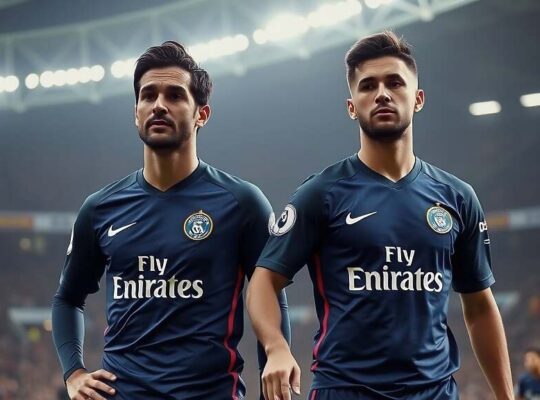
Ousmane Dembélé’s crowning as the World’s Best Male Player is likely to spark debate. While acknowledging his evident talent, the decision has been met with some skepticism given the ongoing scrutiny surrounding his performance and consistency at Paris Saint-Germain. The choice also casts a shadow on other compelling candidates, fueling a narrative of shifting allegiances within the awarding body.
Aitana Bonmatí’s third consecutive title as the World’s Best Women’s Player solidifies her place as a generational talent. Her dominance in this category highlights the continued rise and sophistication of women’s football globally. However, the decision came under the backdrop of England’s dramatic penalty shootout victory against Spain at the Women’s World Cup – a result that underscores the tightening competition and unpredictable nature of the sport.
Luis Enrique’s recognition as Men’s Coach of the Year, despite recent shifts in his career following his tenure with the Spanish national team, raises questions about the weighting given to club success versus international performance in FIFA’s evaluation process. His triumph with Paris Saint-Germain further cements the club’s increasing dominance, fuelled by substantial financial investment and prompts examination of the fairness in comparing vastly different competitive environments.
Sarina Wiegman’s fifth consecutive award as Women’s Coach of the Year is undeniably deserved, but the magnitude of her achievement – guiding England to a World Cup victory over reigning champions Spain – further underscores a wider trend: the growing strength and tactical innovation within women’s football.
The selection of the FIFA Men’s and Women’s World XI also offer insights into the current balance of power. The presence of multiple Paris Saint-Germain players in the Men’s XI, alongside individuals from Barcelona and Real Madrid, reflects the consistent strength of Europe’s elite clubs. The Women’s XI exhibits a similar concentration of talent from Barcelona and Spain, reflective of their sustained success on the international stage. The selections, while celebrating individual merits, inevitably contribute to ongoing discussions about the influence of club allegiance and national representation within these prestigious accolades.