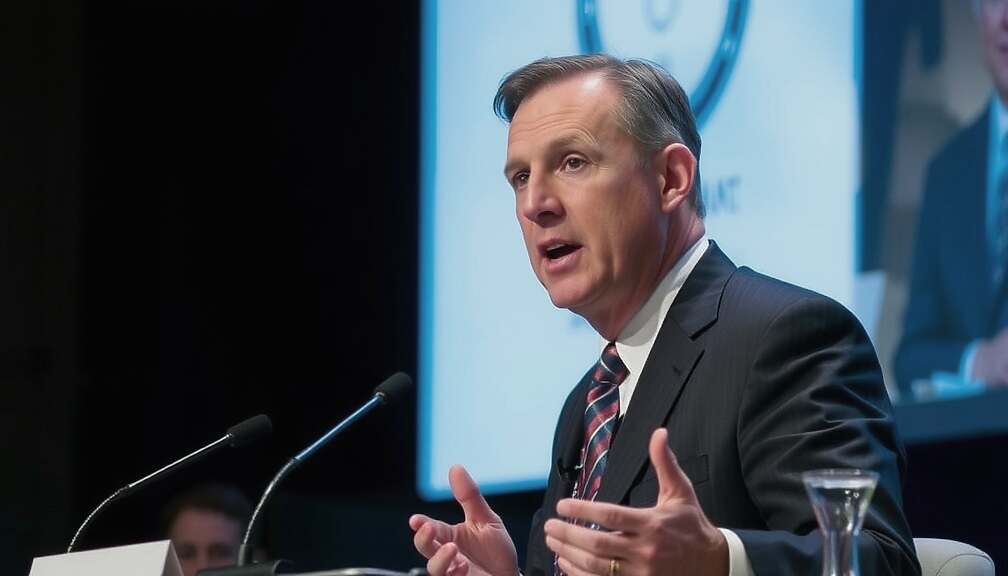
The German government’s stance on the EU’s landmark chemicals regulation, REACH, is revealing a growing tension between industry concerns and environmental protection goals. Environment Minister Carsten Schneider (SPD) has firmly opposed any revision of the regulation, despite recognizing the current difficulties faced by the German chemical industry.
Speaking to Politico, Schneider acknowledged the pressure from industry leaders, who, facing economic headwinds, are advocating for greater regulatory certainty and view a REACH revision with skepticism. “Proven systems shouldn’t be altered unnecessarily and REACH has proven its value” he stated, emphasizing its role in providing a reliable framework for European industry while simultaneously safeguarding human health and the environment.
Schneider’s declaration follows a recent ‘Chemistry Dialogue’ convened by Economics Minister Katarina Reiche (CDU), which included CEOs from major chemical companies like BASF (Markus Kamieth) and Covestro (Markus Steilemann). Reiche herself echoed Schneider’s opposition to a revision, demonstrating a unified front within the governing coalition despite potential underlying pressures from the powerful chemical sector.
This resistance comes at a critical juncture. The European Commission, as indicated by Hans Ingels, head of the Bioeconomy, Chemicals and Cosmetics Unit within DG GROW, is still anticipating the publication of the REACH revision in the first quarter of next year. While the Commission maintains its commitment to modernizing the regulation, the strong opposition from within Germany raises questions about the scope and ambition of any potential changes.
Critically, the German government’s position highlights a broader debate within the EU: balancing the competitiveness of the chemical industry – a vital economic engine – with the imperative of continuously improving environmental and health protections. The current stance prioritizes stability and perceived certainty for industry, potentially sidelining voices advocating for a more proactive and adaptable regulatory approach to address emerging chemical risks and promote sustainable innovation. The upcoming publication and subsequent debate around the proposed revision will be closely watched to determine whether the pressure from industry can effectively stall genuine progress towards a more resilient and ecologically sound regulatory landscape.