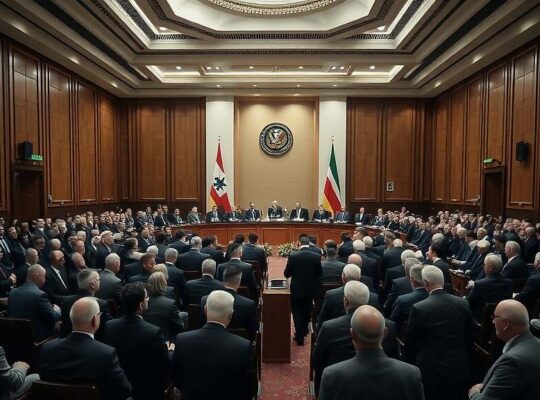
The recent EU summit has yielded a compromise that, while hailed by some as a demonstration of European unity, is attracting scrutiny over its potential to subtly shift the landscape of EU fiscal policy. Mathias Middelberg, parliamentary group vice-chairman of the center-right CDU/CSU faction, publicly expressed satisfaction with the outcome, defending it against accusations that it represents a backdoor introduction of Eurobonds – a concept historically resisted by Germany and other fiscally conservative member states.
Middelberg, in a statement to T-Online, emphasized the perceived ability of the EU to act decisively even on the contentious issue of joint borrowing. He credited Chancellor Friedrich Merz for “tenacious negotiations” that facilitated the European compromise. The agreed financing mechanism, he explained, involves the EU directly issuing loans through its budget, mirroring the structure of the “Next Generation EU” program implemented during the COVID-19 pandemic.
However, critics remain unconvinced that the mechanism entirely avoids the creation of shared debt obligations. While officials insist that the current agreement doesn’t involve member states directly co-guaranteeing debts – a hallmark of Eurobonds – concerns linger that the increased reliance on EU-level borrowing could gradually erode the traditional boundaries of national fiscal responsibility.
The underlying debate touches on fundamental questions of European solidarity and the equitable distribution of economic burdens. While the agreed framework allows for the funding of key strategic priorities, it also underscores the ongoing tension between the desire for greater European integration and the ingrained reluctance of certain member states to cede further control over their national budgets. The long-term implications of this new financing model and whether it truly prevents the emergence of de facto Eurobonds, remain a subject of considerable political debate.