Housing Costs Continue to Surge Across Germany, Raising Political Concerns
New data released Tuesday by the Federal Statistical Office (Destatis) reveals a continued upward trajectory in German residential property prices, fueling anxieties about affordability and exacerbating existing socio-economic disparities. Average prices for owner-occupied residential real estate increased by 3.3 percent year-on-year in the third quarter of 2025, marking the fourth consecutive quarterly rise. The figures also demonstrate a 1.0 percent increase compared to the previous quarter, signaling sustained market pressure.
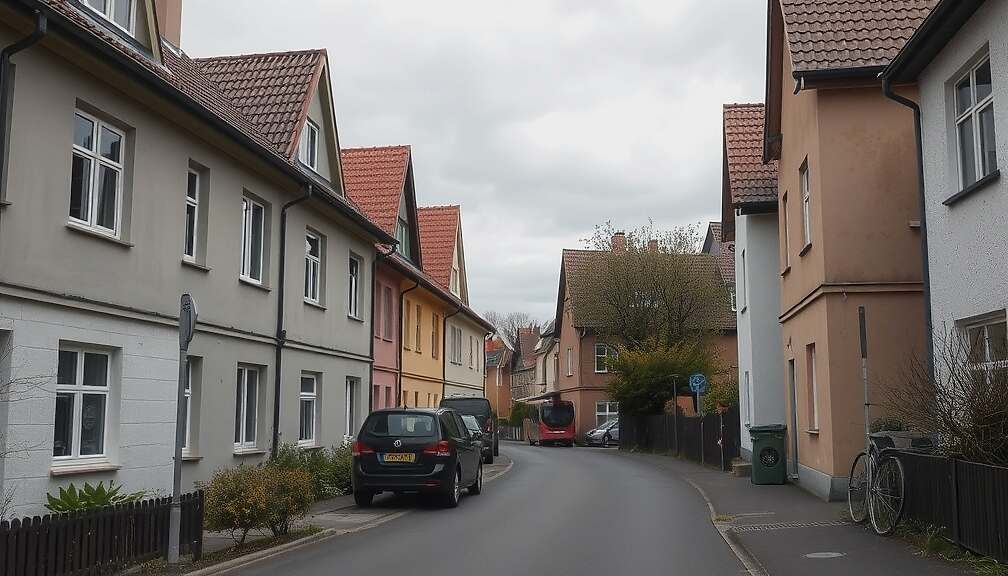
The price escalation is pervasive, affecting all regions of the country. While increases were observed across the board, the magnitude of the rise varied significantly based on location and property type. Single-family and two-family homes experienced the most substantial year-on-year price increases in urban districts (+3.6 percent) and independent, large cities (+3.5 percent). Even sparsely populated rural districts saw a 3.2 percent rise. Apartment prices demonstrated even more dramatic increases in urban areas, with buyers facing a 4.7 percent premium in urban districts and a staggering 5.0 percent in independent cities. Notably, sparsely populated rural districts registered a comparatively modest 2.6 percent increase, while densely populated rural areas saw a 5.5 percent surge, accompanied by a more moderate 1.1 percent rise for single-family and two-family homes.
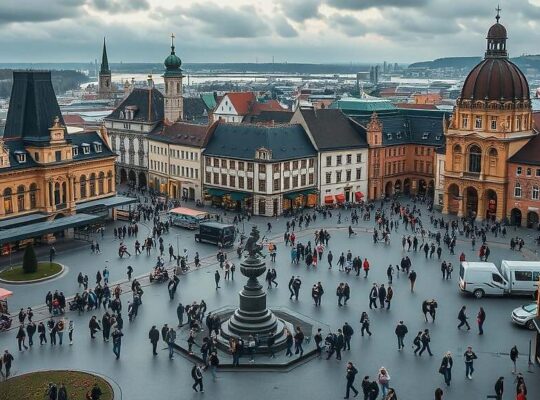
The situation in Germany’s seven largest cities – Berlin, Hamburg, Munich, Cologne, Frankfurt am Main, Stuttgart and Düsseldorf – paints a somewhat less dramatic but still concerning picture. Here, prices for single-family and two-family homes rose by 2.7 percent year-on-year, while apartment prices increased by 2.8 percent.
The quarterly comparison offers a nuanced glimpse into current market dynamics. Independent cities experienced the largest quarterly increase in single-family and two-family home prices (+1.0 percent). However, densely populated rural districts saw the most significant rise in apartment prices (+3.1 percent). Conversely, sparsely populated rural districts witnessed a decrease in prices for both single-family homes (-0.5 percent) and apartments (-0.9 percent) compared to the previous quarter, suggesting potential localized overvaluation and a possible slowdown in these areas.
The sustained price growth is attracting growing political scrutiny. Critics argue that the upward trend, driven by factors including low interest rates and continued demand, is effectively pricing out younger generations and lower-income families from homeownership, furthering societal inequalities. Opposition parties are intensifying calls for stricter regulations on speculative investment and measures to increase housing supply, particularly in urban centers. The current government is facing pressure to address the affordability crisis, with proposed solutions including potential rent controls and incentives for the construction of subsidized housing, though these proposals face considerable resistance from property owners and development groups. The diverging regional trends also highlight the need for a more localized and targeted approach to housing policy, addressing the specific vulnerabilities of rural communities while mitigating the risks of a bubble in urban areas. The longer-term implications of this housing market dynamic are expected to be a central issue in upcoming legislative debates.