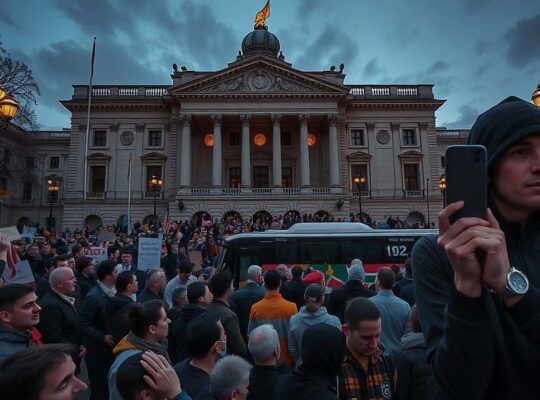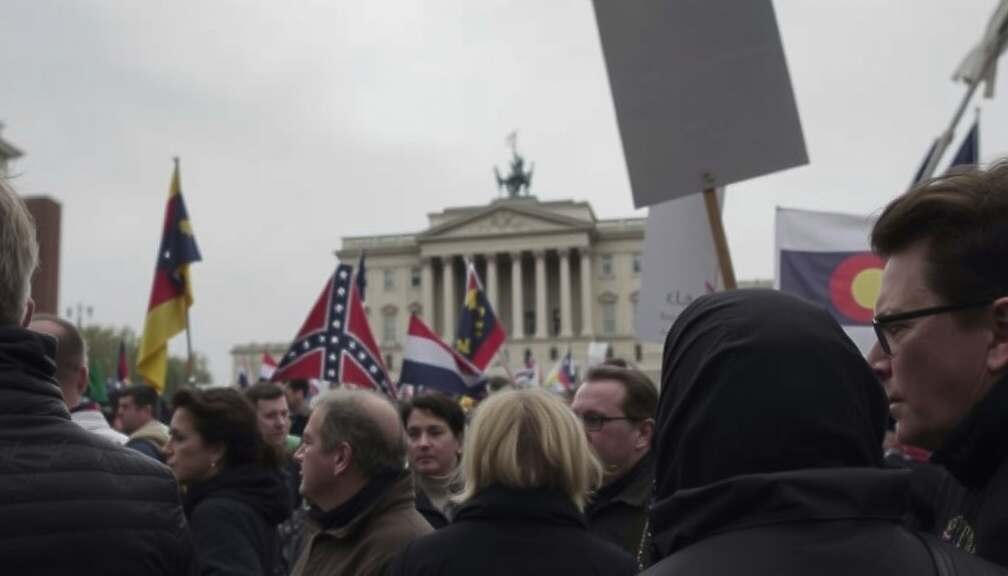
The prominent Swedish climate and pro-Palestine activist Greta Thunberg was arrested in London on Tuesday during a demonstration highlighting the plight of imprisoned members of the “Palestine Action” group. Police cited the display of a placard deemed to be in support of a proscribed organization as the reason for her detention, sparking immediate controversy and raising questions about the boundaries of free speech in the UK.
Thunberg’s presence at the protest, staged outside the offices of a company allegedly providing services to an Israeli defense contractor, underscored her commitment to the cause. The demonstration aimed to draw attention to the hunger strike undertaken by “Palestine Action” members currently held in custody. Prior to the intervention of law enforcement and subsequent arrests, two demonstrators had sprayed red paint on the building’s facade.
Footage circulating online showed Thunberg holding a sign proclaiming, “I support the Palestine Action prisoners. I oppose genocide” a statement likely to further inflame the already tense political climate. The hunger strikers are demanding an end to British arms shipments to Israel and the repeal of the government’s designation of “Palestine Action” as a terrorist organization.
The UK government’s decision to proscribe “Palestine Action” under the Terrorism Act 2000, a classification triggered by acts of sabotage including damage to Royal Air Force aircraft, has led to a significant escalation in the government’s response to pro-Palestinian activism. Over 2,000 individuals have been arrested for alleged involvement with or support of the group since the designation.
The detention of a globally recognized figure like Thunberg is significant, raising concerns about the scope of anti-terrorism legislation and its impact on peaceful protest. Critics argue that the government’s broad application of the Terrorism Act effectively criminalizes dissent and stifles legitimate criticism of Israeli government policy. The incident is likely to fuel further debate surrounding the definition of terrorism, the rights of protestors and the UK’s complex relationship with the Israeli-Palestinian conflict. Legal challenges to the proscription of “Palestine Action” are anticipated and the long-term ramifications of this week’s events remain to be seen.