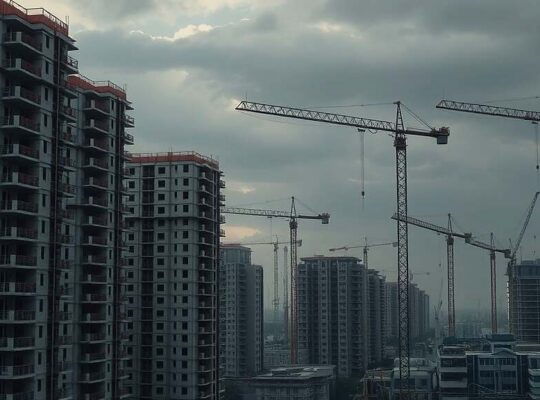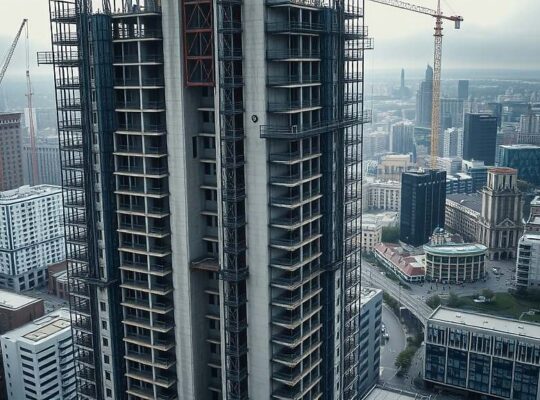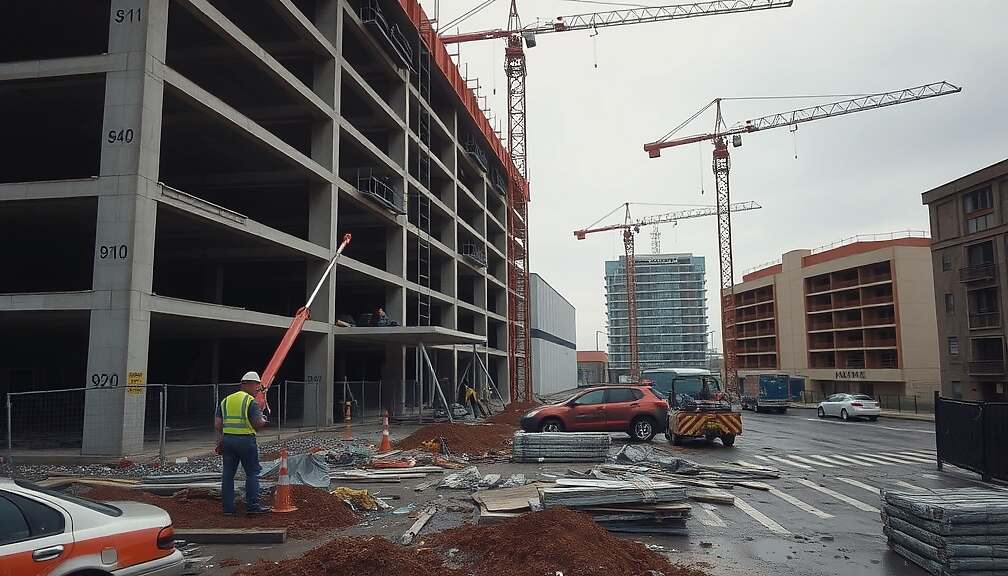
The German construction industry is signaling a potential shift in momentum, with a significant 11.8% drop in new orders received in October 2025 compared to the previous month, seasonally and calendar adjusted. While this decline follows a peak in September driven by unusually large contracts – the highest registered since March 2022 – the figures raise questions about the long-term stability of the sector amidst ongoing economic headwinds.
A closer examination reveals uneven performance within the industry. While residential construction experienced a 5.8% reduction in orders, the decline was more pronounced in the civil engineering sector, plummeting by 16.9%. This disparity suggests diverging dynamics – potential cooling in the housing market alongside challenges in large-scale infrastructure projects. While a three-month comparison (August-October) presents a slightly more optimistic picture, showing a 3.5% increase in orders, this masks the concerning trend within the recent October data. The varying performance within the sub-sectors highlights a layered fragility within the construction landscape.
Despite the recent dip in orders, a comparison to October 2024 illustrates a 2.4% increase in real, calendar-adjusted orders. This seemingly positive figure, however, needs careful consideration. The jump in residential construction orders, up 8.1%, appears to be largely fueled by cost inflation rather than genuine project growth, as evidenced by the comparatively subdued 2.5% increase in civil engineering. The 4.4% surge in nominal orders – those not adjusted for price – further supports this concern, potentially masking a weakening underlying demand.
Recent revenue figures paint a somewhat contradictory picture. October 2025 saw a 4.5% real increase in turnover compared to the same period last year, alongside a more substantial 7.0% nominal rise to €11.6 billion. However, this positive momentum seems to be slowing, with real revenue growth in the January-October period this year registering only 1.8%, far below the earlier pace. The continued increase in construction sector employment – up 1.3% year-on-year – also warrants analysis; while demonstrating resilience, it may also indicate rising labor costs compounding other economic pressures.
The data is raising concern amongst policymakers, who face the challenge of encouraging sustained infrastructure investment while navigating a potentially declining order pipeline. The divergence between nominal and real order growth underscores the inflationary environment impacting the construction sector and highlighting the underlying vulnerability of future projects to rising interest rates and material costs. A deeper investigation into the reasons behind the September surge and the current October drop is urgently needed to understand the long-term health of the German construction industry.