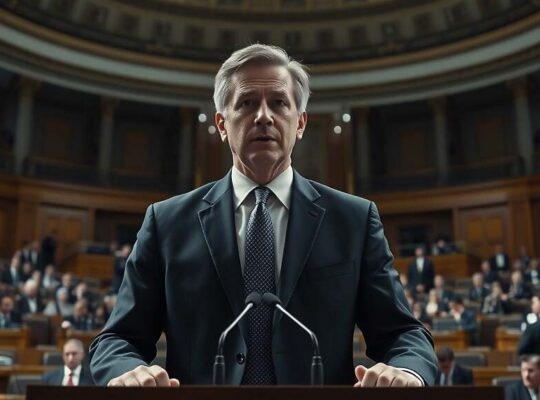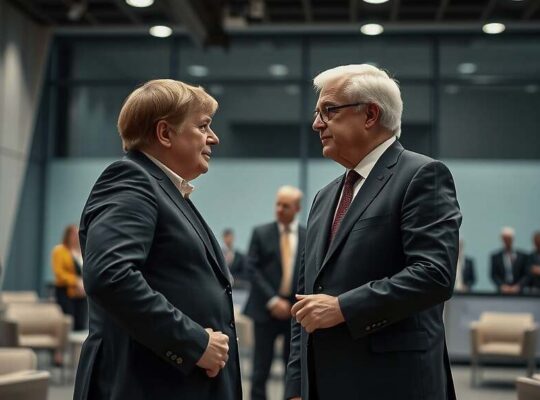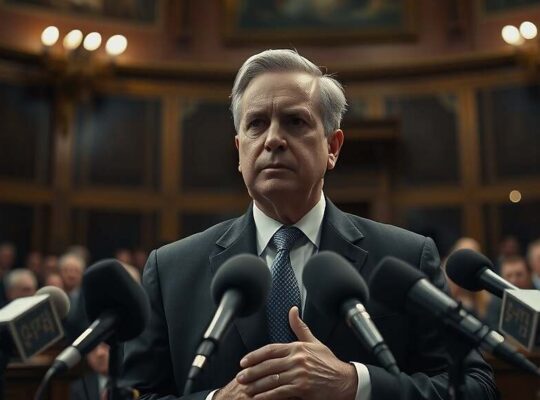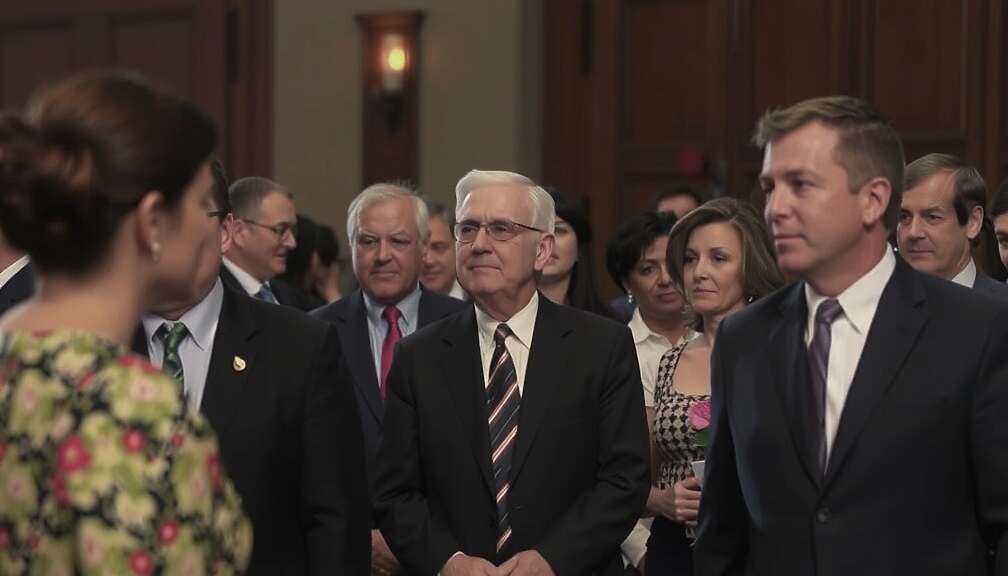
A recent endorsement of Chancellor Friedrich Merz’s conduct, delivered by the head of the German Knigge Society, Clemens Graf von Hoyos, has sparked both amusement and a subtle debate about the role of formality and image in German politics. Hoyos, in an interview with the “Rheinische Post”, lauded Merz’s “absolute mastery” of formal etiquette, attributing it to the structured professional environment Merz navigated earlier in his career.
While acknowledging the importance of conventional manners, Hoyos also emphasized the need for distinct personality – “edges” as he put it – to foster memorability. This seemingly innocuous comment hints at a wider discussion within the CDU concerning Merz’s public persona and its effectiveness in resonating with the electorate. While the party has often emphasized stability and seriousness, there’s a constant tension between projecting competence and appearing relatable.
The Knigge Society’s chairman’s meticulous observations extended even to Merz’s sartorial choices, specifically his fondness for ties adorned with animal motifs. Hoyos’s approval, however, came with surprisingly detailed stipulations regarding the animals’ orientation, demanding they appear to be moving forward, not backward, to convey a sense of progress.
Critics within the political sphere, while generally acknowledging the Chancellor’s technical proficiency, have subtly questioned whether the almost obsessive focus on decorum ultimately distracts from addressing pressing policy challenges. The level of scrutiny applied to Merz’s behavior – even by an authority on etiquette – underscores the anxieties surrounding his leadership and the pressure to project an image of both authority and accessibility in a politically polarized climate. Some observers suggest that the emphasis on formal appearances may signal a yearning for a return to a perceived bygone era of German political propriety, a strategy which could potentially alienate younger, more progressive voters.