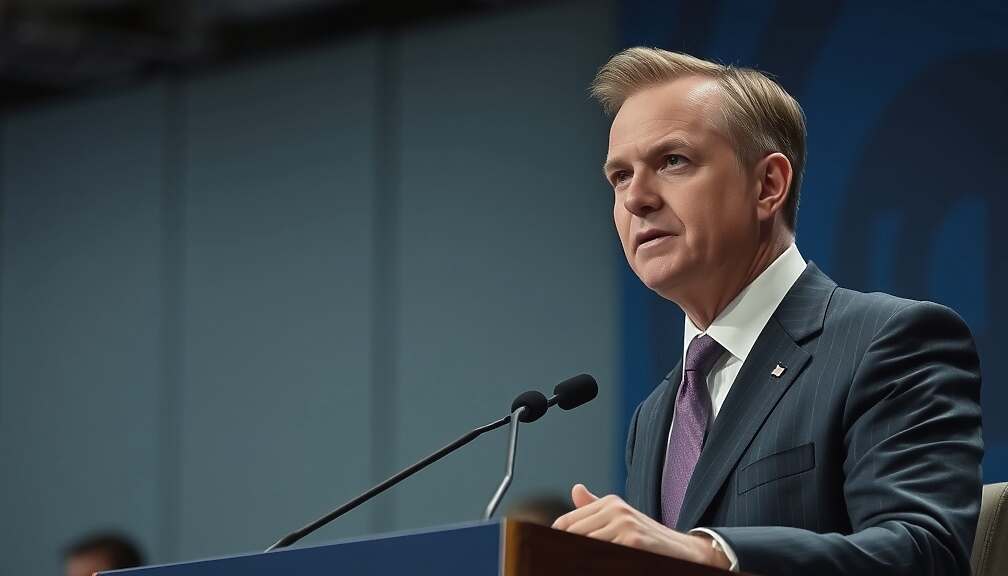
The German government’s transport minister, Patrick Schnieder of the Christian Democratic Union (CDU), has issued a stark warning to motorists ahead of New Year’s Eve, urging complete abstinence from alcohol consumption while driving. Schnieder’s appeal, delivered to the Funke-Mediengruppe newspapers, underscores the ongoing concern regarding road safety during the festive period, with authorities instructed to intensify controls throughout the night.
The statement arrives amidst a broader national debate surrounding potential restrictions on fireworks, a tradition deeply embedded in German culture. Schnieder, while acknowledging a personal preference for a quieter New Year’s celebration, resisted calls for a blanket ban on fireworks. His rationale extended beyond mere adherence to tradition, suggesting that reducing the issue to a solely traffic-related concern oversimplifies a complex cultural practice. Critics argue, however, that this reluctance to restrict potentially hazardous activities demonstrates a prioritization of established customs over public safety, particularly considering the strain on emergency services and the potential for fireworks-related accidents.
The minister’s position, while attempting to strike a balance between respecting ingrained traditions and safeguarding public well-being, raises familiar questions about the government’s approach to regulating potentially risky behaviors. While the emphasis on responsible driving is welcome, some analysts suggest a more proactive stance on minimizing overall risk, including a more rigorous evaluation of alternative measures to a complete fireworks ban, would be more effective in ensuring a safe and responsible New Year’s Eve for all citizens. The debate highlights the challenges of reconciling cultural norms with preventative public health measures in a democratic society.