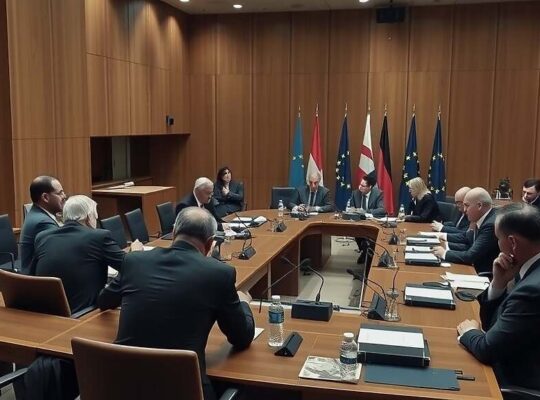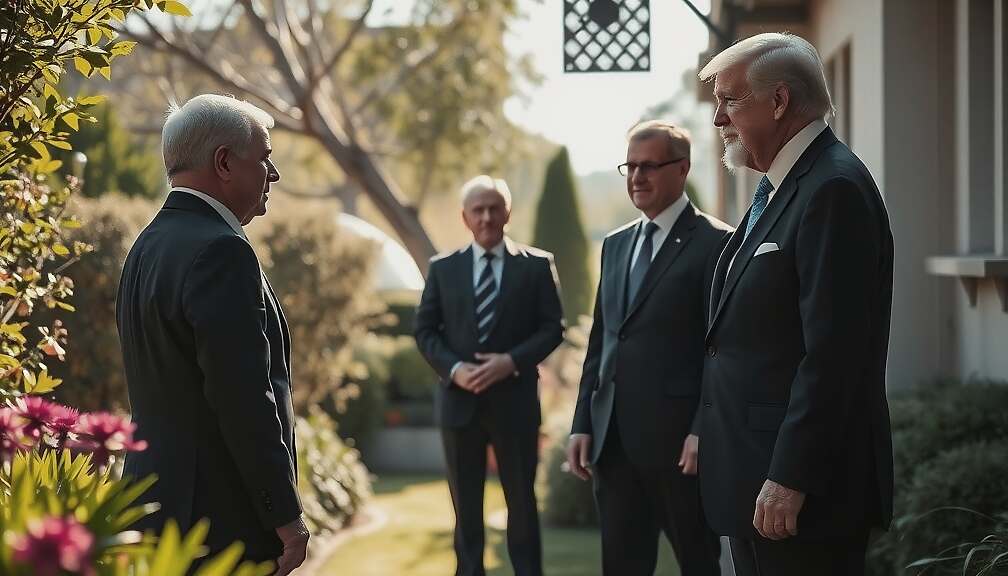
The administration’s seemingly unwavering support for Israeli actions regarding the Gaza peace plan, coupled with increasingly stark warnings to Iran, signals a potentially volatile shift in US foreign policy and highlights deepening internal divisions within the White House. Following a meeting with Prime Minister Benjamin Netanyahu at Mar-a-Lago, President Trump dismissed concerns over Israel’s adherence to the agreed-upon timeline for the second phase of the peace initiative, stating the country had fulfilled its obligations “100 percent.
This pronouncement, however, appears to strategically deflect scrutiny from internal pressure within the US government. Reports indicate that some White House advisors harbor anxieties that Netanyahu’s deliberate pace, particularly his insistence on Hamas disarmament as a prerequisite for progress, is actively undermining the plan’s momentum and frustrating US objectives. The President’s reassurance of Israeli compliance effectively silences these concerns, prioritizing a perceived alignment with Netanyahu’s position over a potentially more pragmatic approach to regional stability.
Beyond the immediate implications for the Gaza peace process, Trump’s remarks on Iran escalated tensions further. Warning of “very powerful” consequences should Iran resume its ballistic missile program, he suggested the US possesses detailed knowledge of Iranian activities and is prepared for rapid intervention. While the threat is not unprecedented, the timing, coupled with the evident deference extended to Israel, raises questions regarding the administration’s broader strategy in the region.
Critics argue that the unwavering support for Israel, particularly in the face of ongoing human rights concerns and concerns related to settlement expansion, risks alienating key international partners and ultimately hinders the prospects for a lasting peace. Moreover, the ambiguous nature of the “powerful” repercussions threatened against Iran creates a climate of uncertainty and potentially provokes escalation, while simultaneously allowing Tehran deniability regarding alleged illicit activities. This complex interplay of factors underscores a foreign policy trajectory increasingly shaped by political expediency and susceptible to fueling regional instability.