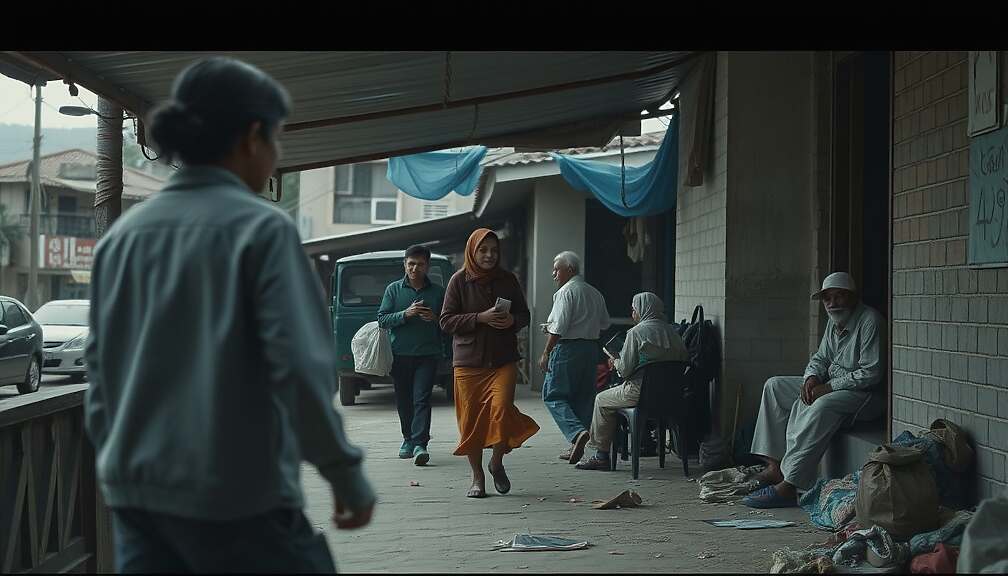
The United Nations High Commissioner for Refugees (UNHCR) is issuing a stark warning against restrictive border policies and declining financial support for refugee aid, highlighting a deepening crisis fueled by ongoing global conflicts. Mark Ankerstein, the National Director of UNHCR, urged a continued commitment to upholding asylum rights, particularly as the Geneva Convention approaches its 75th anniversary and in light of the constitutional protections enshrined in Germany.
“Worldwide, conflicts and persecution are forcibly displacing over 117 million individuals” Ankerstein stated in remarks to the Redaktionsnetzwerk Deutschland. “Peaceful resolutions remain elusive in most regions. The right to asylum is a fundamental human right and now is emphatically not the time to diminish solidarity.
Ankerstein’s plea arrives amid a rising tide of political pressures in European nations to curtail asylum access and increasingly stringent border controls. He underscored a crucial point frequently overlooked in the debate: the vast majority of refugees are not seeking refuge in wealthy nations. “They are residing in less affluent regions such as Ethiopia and, currently, Chad, which bear the disproportionate burden of providing sanctuary”. This disparity raises critical questions about the global distribution of responsibility and the moral implications of prioritizing domestic concerns over international humanitarian obligations.
Beyond border policies, Ankerstein voiced deep concern over the withdrawal of crucial funding from key donor nations, most notably the United States. He cautioned that private philanthropy and shifting UNHCR internal priorities, while appreciated, cannot fully compensate for the structural deficits created by these funding cuts. “No one can permanently fill the structural budget gaps of major donor countries” he explained. The UNHCR’s ability to deliver essential aid programs is, in effect, being compromised, forcing difficult choices and leading to the closure of critical programs. This situation risks undermining the international system designed to protect vulnerable populations and demands a reassessment of donor commitments and a more equitable sharing of responsibility within the global community. The current trajectory threatens to erode the foundational principles of international humanitarian law and to exacerbate the suffering of millions displaced by conflict and persecution.