Germany endured an exceptionally warm, sunny and markedly dry year in 2025, according to initial assessments released Tuesday by the German Weather Service (DWD) from its network of approximately 2,000 measurement stations. The average temperature reached 10.1 degrees Celsius (50.2 Fahrenheit), a significant 1.9 degrees (3.4 Fahrenheit) above the reference period of 1961-1990, placing 2025 among the ten warmest years on record since observations began in 1881.
The year’s climatic extremes underscored existing anxieties regarding the escalating impacts of climate change and posed uncomfortable questions about national preparedness and adaptation strategies. A particularly intense heatwave in early July saw Andernach, near Koblenz, register a nationwide record high of 39.3 degrees Celsius (102.7 Fahrenheit), exacerbating concerns over public health and infrastructure resilience.
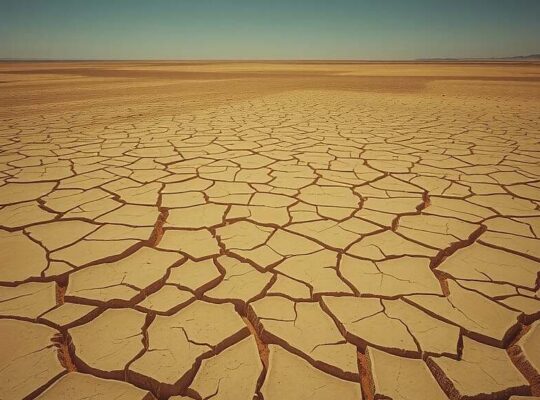
Rainfall figures, anticipated to reach 655 liters (17.3 US gallons) per square meter, fell considerably short of average values, largely attributable to a protracted and severe drought from February to May, particularly impacting eastern regions. While July and the first half of autumn experienced periods of substantial rainfall – with a single-day record of 134 liters (35.4 US gallons) per square meter recorded in Bedburg-Weiler Hohenholz, North Rhine-Westphalia – the overall deficit remains critical.
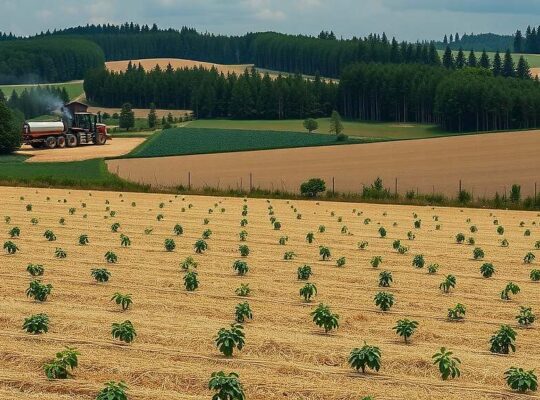
Regional disparities were stark, with Saarland registering the highest average temperature at 11.0 degrees Celsius (51.8 Fahrenheit), while Bavaria and Saxony experienced relatively cooler conditions at 9.4 degrees Celsius (48.9 Fahrenheit). Saxony-Anhalt recorded the lowest rainfall, with a meager 460 liters (12.4 US gallons) per square meter, raising alarms about agricultural productivity and water resource management.
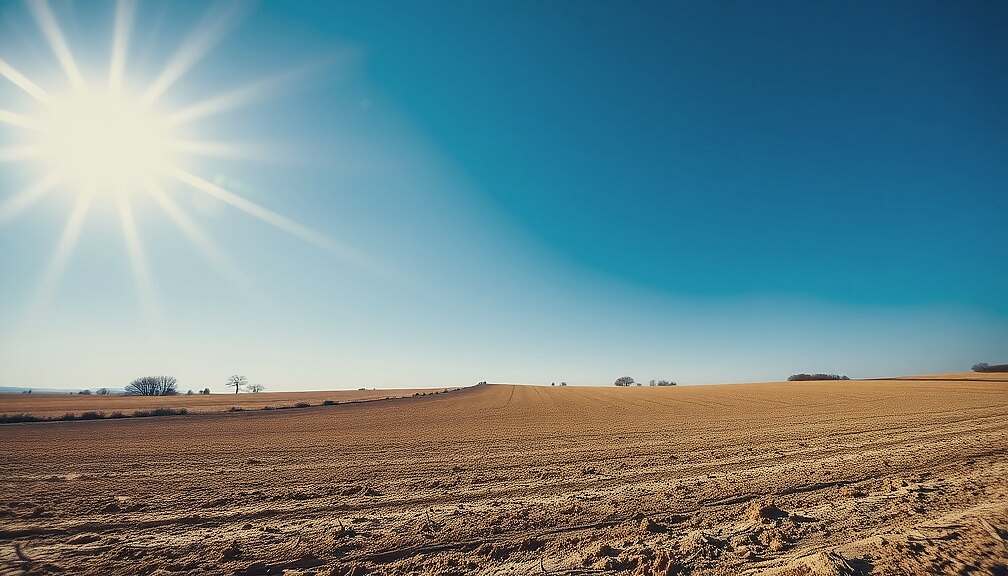
The unusually high sunshine duration – over 1,945 hours – has designated 2025 as one of the sunniest years since 1951, further amplifying concerns about water scarcity and vegetation stress. The contrasting climate patterns across German states are already triggering debates about equitable resource allocation and the effectiveness of current regional adaptation policies. Political pressure is mounting for a reassessment of national climate targets and a more decisive shift towards sustainable infrastructure and agricultural practices, particularly in the persistently arid eastern regions. Some critics are questioning whether existing planning adequately addresses the increasingly frequent and intense extreme weather events now becoming the norm, rather than the exception.