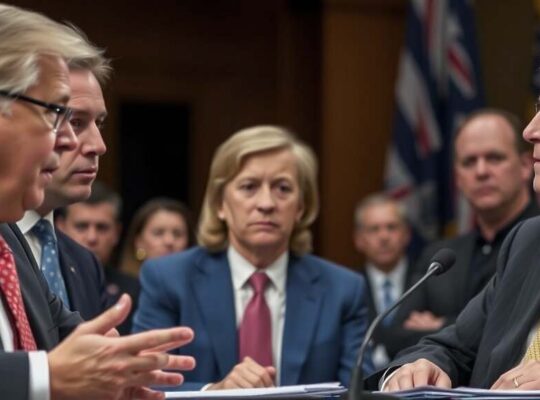
The Social Democratic Party (SPD) faces a critical juncture, with senior figures now publicly urging a radical reassessment of its core policies to regain relevance among a shifting electorate. Alexander Schweitzer, the SPD’s deputy leader and Minister President of Rhineland-Palatinate, has delivered a stark warning against clinging to outdated ideologies, arguing the party risks becoming an echo of past debates rather than a driving force for the future.
Speaking to the Funke-Mediengruppe newspapers, Schweitzer emphasized the need for a thorough inventory of the SPD’s policy platform, questioning whether existing tenets genuinely address the challenges and opportunities facing generations born in the 2020s and 2030s. He posed a pointed question: “Are we dragging cherished ideas from the 1980s and 1990s along, ideas that fail to inspire anyone anymore?
The call for introspection specifically targeted the long-standing SPD proposal for a ‘citizen’s insurance’ model – a foundational element in numerous party manifestos. Schweitzer challenged the party to critically evaluate this proposal, prompting a crucial debate: is it time for an update? Are there more innovative and effective pathways to guarantee comprehensive healthcare and quality care services? “The SPD cannot stand still when tackling the questions pertaining to a modern and robust welfare state” he insisted.
Beyond specific policies, Schweitzer’s commentary carried a broader political message. He used a sporting analogy to caution against a defensive posture in policy debates, warning against simply reacting to proposals from rival parties. “We can’t just stand on the baseline like tennis players, returning the balls thrown at us” he stated. Instead, he urged the SPD to proactively advance its own agenda, demonstrating initiative and offering compelling solutions. This call to action represents a growing recognition within the party that a more assertive and forward-looking approach is vital to counteract declining electoral support and reposition the SPD as a credible voice for the future. The extent to which this internal critique translates into concrete policy shifts remains to be seen, but Schweitzer’s intervention marks a significant moment of self-reflection for a party grappling with its identity and direction.