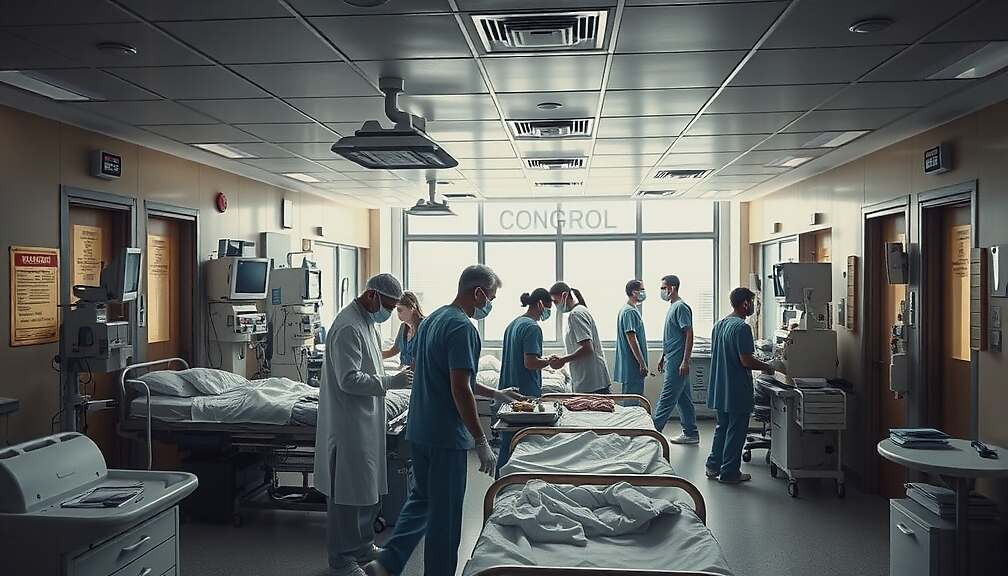
The catastrophic fire in Crans-Montana, Switzerland, has triggered a significant humanitarian response, with Berlin’s Unfallkrankenhaus (Charité Hospital) receiving over 40 urgent requests for assistance for burn victims. Leila Harhaus-Wähner, Director of the hospital’s Burn Center and Plastic Surgery department, revealed the scale of the need to “Welt” television, highlighting the immediate pressure on specialist medical facilities.
The severity of the injuries necessitates a coordinated nationwide effort. Initial triage and stabilization are currently underway in hospitals across Switzerland, with the first patients already being transferred to facilities in Halle and Leipzig. Three additional patients are scheduled to arrive in Berlin over the coming days and similar efforts are being mobilized across other German states and specialized burn centers.
The complexity of treating severe burn victims demands intensive, phased care. According to Harhaus-Wähner, the priority is a meticulous cleansing and sterile dressing of the affected areas, coupled with stabilization of vital organ functions, particularly fluid management, a crucial element in mitigating the systemic complications arising from burns. The need for rapid intervention underscores the precariousness of the situation, as burns quickly extend beyond superficial tissue damage, frequently affecting respiratory function, kidney function and other organ systems.
“Within the first 48 hours, it is crucial to establish the foundation for recovery and protect the organ systems” Harhaus-Wähner stated. This initial phase is critical in setting the stage for subsequent surgical intervention, including debridement and tissue grafting. The lengthy road to recovery, however, is far from over. Patients arriving in Germany can anticipate months of treatment, encompassing multiple operations and extensive rehabilitation tailored to the specific type and extent of their injuries. The affected surface area plays a key role: burns covering 60% of the body are likely to require months of specialized care. The scarcity of readily available skin grafts often necessitates multi-stage reconstructive procedures, followed by extended intensive care and subsequent, specialized rehabilitation.
A tentative positive note emerges from the fact that the majority of those affected are younger individuals, which Harhaus-Wähner cautiously suggests may lead to improved survival rates compared to older patients. This situation, however, throws a spotlight on the limitations of existing emergency response infrastructure and the vital need for robust international collaboration in the face of large-scale disasters involving severe trauma. It also raises questions about the preparedness of Swiss infrastructure to handle such a tragedy and the potential for future reliance on external support.