Widespread Flight Disruptions Ground Greek Airspace, Raising Questions About Infrastructure Resilience
A significant disruption to Greece’s central air traffic control system has effectively paralyzed the nation’s airspace, leading to widespread flight cancellations and leaving thousands of passengers stranded across the country. The Hellenic Civil Aviation Authority confirmed this morning that a technical fault within the system is responsible for the near-total shutdown, impacting both departures and arrivals at airports nationwide.
While authorities state that some limited overflights are still permitted, the sweeping impact on scheduled flights has thrown travel plans into chaos. State broadcaster ERT reported the issues began at approximately 9:30 am local time and the cause and estimated duration of the repair remain uncertain. The situation underscores a growing concern regarding the resilience of critical infrastructure within Greece, particularly given the nation’s reliance on tourism and its strategic importance within the European Union.
The incident is likely to reignite scrutiny of government investment in aging infrastructure and the potential vulnerabilities of centralized control systems. Critics have previously pointed to underfunding in vital sectors, warning that inadequate maintenance and modernization could lead to precisely the kind of systemic failures now impacting air travel. With the summer tourist season approaching, the economic ramifications of this disruption are potentially substantial.
The current crisis also throws into focus the limitations of contingency planning within the Greek aviation sector. The lack of immediate clarity regarding restoration timelines has exacerbated the situation, leaving passengers at airports with little to no information. Government officials have yet to release a comprehensive statement outlining the recovery strategy or offering support to those affected. The incident is bound to draw attention from the European Aviation Safety Agency (EASA) and could trigger a review of safety protocols.
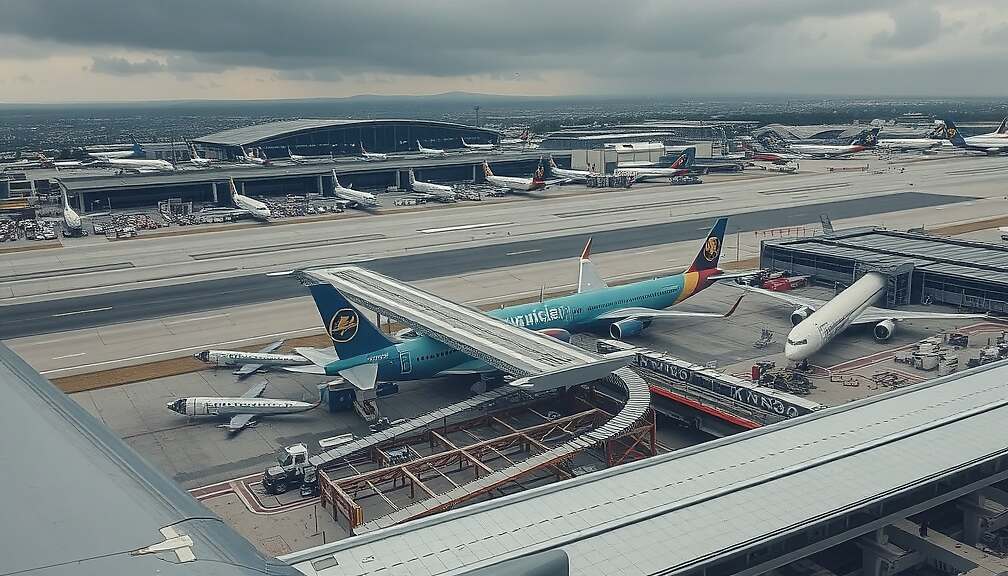
The scenes at major Greek airports are described as chaotic, with large numbers of stranded travelers awaiting updates and alternative travel arrangements. The situation remains fluid and further developments are anticipated as engineers work to resolve the technical fault.