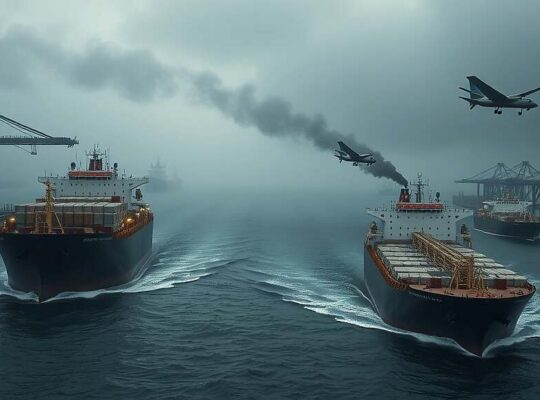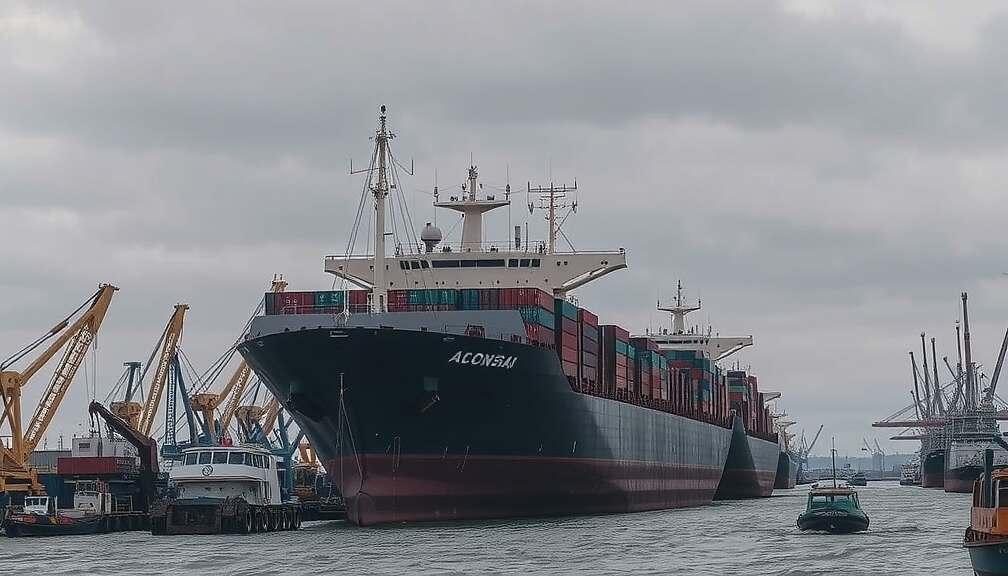
The United States has taken the unprecedented step of seizing two Russian oil tankers, the Bella 1 and Sophia, in a move signaling a significant escalation of Washington’s enforcement against Moscow’s circumvention of sanctions. Homeland Security Secretary Kristi Noem confirmed the action on Wednesday, stating the U.S. Coast Guard boarded the vessels operating in the North Atlantic and near the Caribbean respectively.
Both tankers had recently docked in, or were en route to, Venezuela, a key trading partner for Russia seeking to bypass international restrictions on its energy exports. The operation, lauded by Secretary Noem as a product of “the bold and visionary leadership of President Trump” involved close coordination between the Coast Guard, the Departments of Defense, Justice and State, highlighting a concerted effort across governmental agencies.
The seizure of the Bella 1, in particular, reveals the lengths to which Russia has gone to conceal its oil shipments. Noem asserted the vessel had attempted to evade detection by repeatedly altering its flag, underscoring the sophistication of the shadow fleet employed to move Russian oil. This so-called “shadow fleet” composed of tankers acquired or leased without proper transparency, has become a focal point in the ongoing sanctions enforcement efforts.
The move carries significant political implications, reviving comparisons to earlier U.S. actions against illicit shipping and raising questions about the potential for broader application of similar tactics. While officials state the operation is intended to protect American citizens and disrupt the financing of drug trafficking – a narrative frequently used to justify intervention – critics are likely to view the seizures as an aggressive overreach of U.S. maritime authority and a potential escalation in the economic war with Russia.
The Bella 1 was placed under U.S. sanctions earlier this year for its involvement in the shadow fleet and the current operation represents a direct implementation of those restrictions. U.S. law enforcement officials are currently onboard both vessels, conducting investigations. Reports indicate no gunfire was exchanged during the boarding process. The legality and scope of the U.S. actions are now likely to be scrutinized internationally, particularly in light of concerns about freedom of navigation and the potential precedent set by direct intervention against commercial vessels at sea.