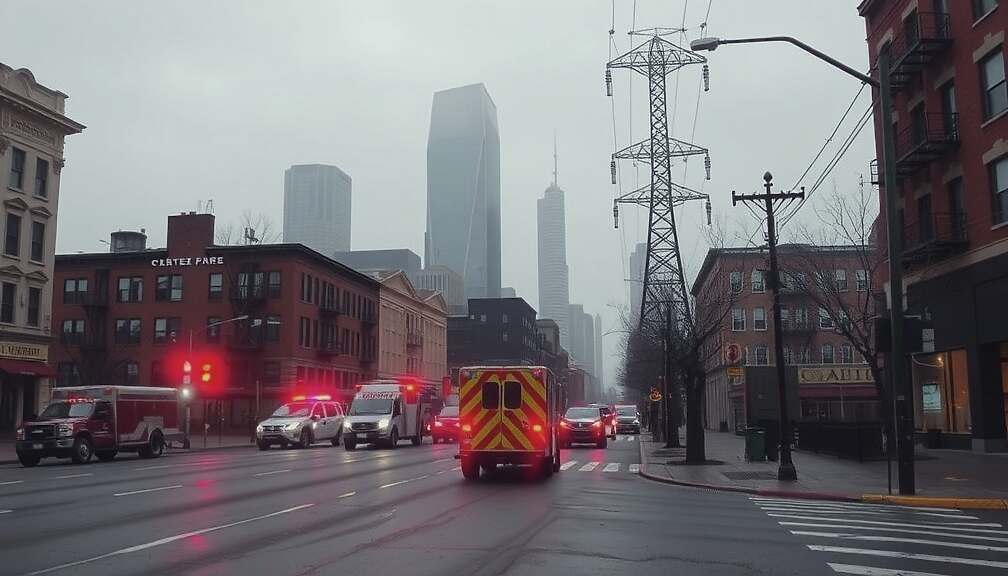
The recent widespread power outage in Berlin has intensified calls for a significant overhaul of Germany’s critical infrastructure protection, with Green Party parliamentary group leader Britta Haßelmann directly challenging Interior Minister Alexander Dobrindt (CSU) to take immediate action. Haßelmann argues that Dobrindt now bears the responsibility to accelerate the long-neglected safeguarding of vital infrastructure and substantially bolster civilian protection measures.
“The Interior Minister has a duty to act now” Haßelmann stated in an interview with Funke-Mediengruppe newspapers. She emphasized that the Green Party’s recent approval of a special fund has provided the necessary financial resources and the federal government must now deliver on its commitments.
Haßelmann specifically called for increased financial support directed towards local municipalities, arguing that cities and towns require the capacity to respond swiftly and effectively during crises. She criticized the federal government’s previous inaction in providing resources for mobile support modules – temporary, deployable units encompassing tents, sanitation facilities and kitchens capable of caring for thousands of uninjured individuals – deeming it “simply negligent.
The incident highlights a growing vulnerability, with Haßelmann asserting that critical infrastructure is facing increasingly frequent attacks. “As we’ve seen with the Berlin power failure, these situations can have devastating consequences for many people” she stated, underscoring a long-standing warning from the Green Party. They successfully advocated for the inclusion of civilian protection within the special infrastructure fund, a move intended to address these evolving threats.
The criticism represents a pointed political challenge to the CSU-led Interior Ministry, questioning whether the funds allocated will translate into tangible improvements in resilience at a local level and whether the government is adequately preparing for escalating security risks. The Berlin blackout serves as a stark reminder of the potential ramifications of inadequate preparedness, placing pressure on authorities to demonstrate responsiveness and proactive planning.