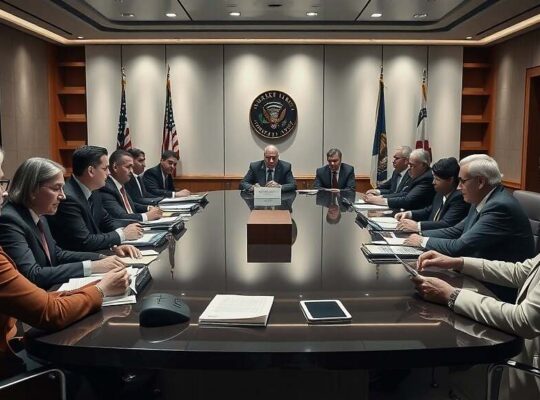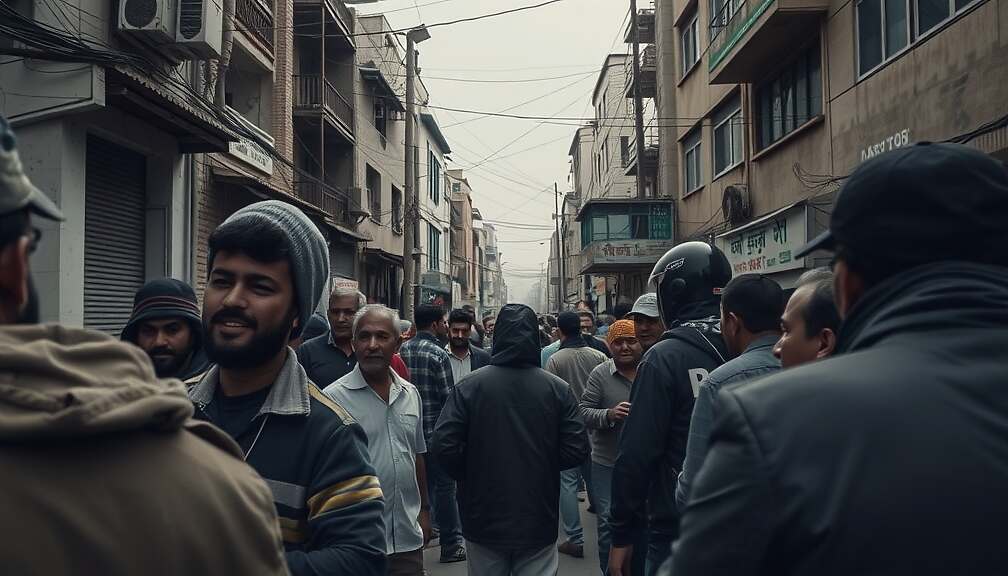
The German government is facing mounting pressure to reassess its policies toward Iran, particularly concerning deportations and humanitarian visas, following widespread protests against the ruling clerical regime. Adis Ahmetovic, the SPD parliamentary group’s spokesperson for foreign policy, has publicly urged Berlin to take decisive action, signaling a growing internal debate within the ruling coalition.
Ahmetovic’s call for an immediate halt to temporary deportations to Iran represents a significant shift in approach, reflecting concerns about the safety of returnees amidst the ongoing unrest. He emphasized the potential for activists, particularly those involved in labor movements, to seek refuge and assistance, advocating for enhanced humanitarian visa programs facilitated through partnerships with organizations like the German Trade Union Confederation. This suggests a desire to move beyond symbolic gestures of solidarity and implement practical measures to support Iranian citizens seeking asylum.
The most forceful element of Ahmetovic’s statement centered on a proposed designation of Iran’s Islamic Revolutionary Guard Corps (IRGC) as a terrorist organization by the European Union. He argued that prolonged deliberation on the matter is unwarranted, characterizing the IRGC as an “oppression guard” with no place within Europe. The proposal aims to place the organization on the EU’s sanctions list, significantly restricting its operations and financial access within the bloc.
Analysts suggest that Ahmetovic’s remarks reflect a broader sentiment within the SPD, pushing for a tougher stance on Iran, potentially influenced by the increasingly volatile domestic situation and international pressure to condemn the regime’s actions. While the potential for EU-wide designation remains complex, given differing member state perspectives, the intensity of the call highlights the rising political stakes surrounding Germany’s relationship with Tehran and the implications for asylum policies within Europe. The issue is likely to fuel further debate within the German government and amongst its EU partners about the appropriate response to the escalating crisis in Iran.