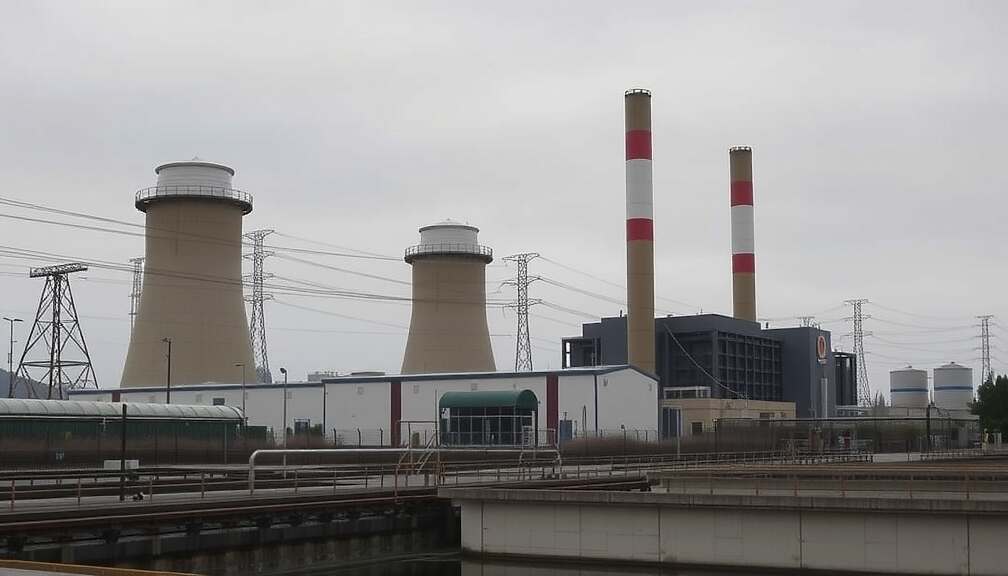
The German Federal Ministry of the Interior is urgently appealing to the Bundestag for the swift passage of proposed legislation designed to bolster the protection of critical infrastructure, citing the escalating threat of potential sabotage. A ministry spokesperson, speaking to “Handelsblatt”, emphasized that the current geopolitical climate and inherent vulnerabilities necessitate an expedited approval of the overarching “Critical Infrastructure Act” (Kritis-Dachgesetz). The spokesperson stressed that critical infrastructure is already facing an “abstract threat” and that heightened resilience is now of “paramount importance.
The call for action is receiving support from within the conservative Union faction. While acknowledging that critical infrastructure operators already operate within a regulatory framework – subject to laws concerning digital and physical security and ongoing threat assessments from the Federal Office for the Protection of the Constitution – Alexander Throm, the CDU’s interior policy spokesperson, underscored the need for strengthened safeguards. He told “Handelsblatt” that the Kritis-Dachgesetz, with its “all-hazard” approach, represents a crucial step and its timely enactment is “more urgent than ever”. Throm urged all stakeholders involved in the legislative process, including state governments, to collaborate diligently to ensure swift progress.
The Green Party is echoing the urgency. Marcel Emmerich, the Green Party’s spokesperson for interior policy, cited the recent power outage in Berlin as stark evidence of the necessity for a genuine security offensive. He warned “Handelsblatt” that attacks on energy infrastructure could yield “devastating consequences” and highlighted the imperative to address existing security gaps without further delay.
The proposed legislation arrives amidst a climate of heightened political sensitivity, raising questions about the adequacy of existing protective measures and the government’s preparedness for potential disruptions to essential services. Critics argue that the legislation, while necessary, must avoid overly burdensome regulations that could stifle innovation and operational efficiency amongst critical infrastructure providers. The political pressure is now on to balance enhanced security with sustainable operational practices and economic considerations.