Pressure is mounting on German state governments as negotiations for public sector workers’ pay enter a critical second round. The service sector union, Verdi, is demanding a “negotiation-worthy offer” from employers, citing a volatile atmosphere fueled by chronic staffing shortages, vacancies and escalating workloads for public employees. Verdi chairman Frank Werneke issued a stark warning on Wednesday, highlighting a potential for disruption driven by employee frustration.
The dispute, encompassing approximately 2.2 million public sector employees across Germany’s states – including 925,000 salaried workers – centers on concerns about real wage losses and perceived inequity compared to colleagues in the federal government and local municipalities. Negotiations, scheduled to resume Thursday and Friday in Potsdam, are taking place against a backdrop of escalating industrial action.
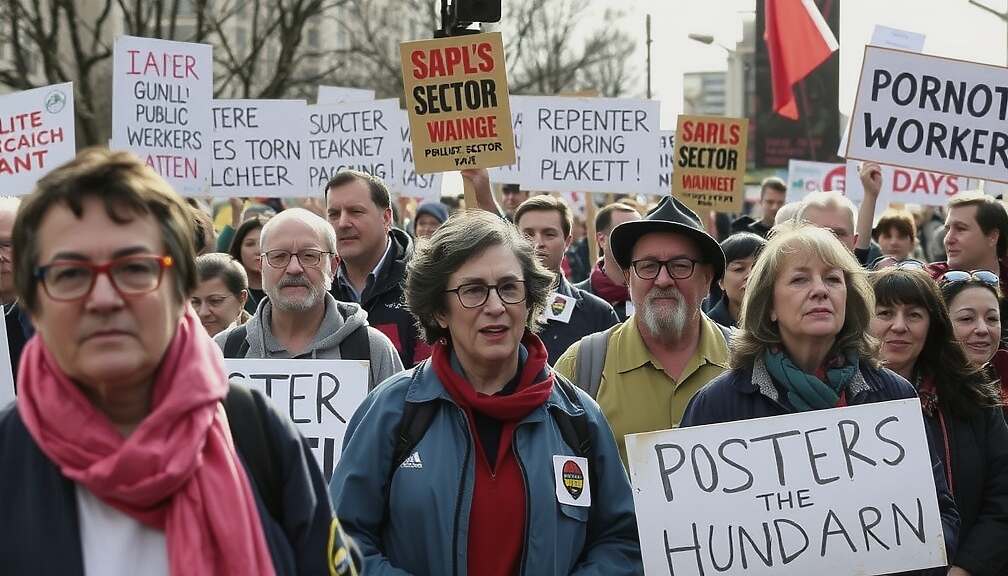
State employees have already participated in warning strikes and protests across multiple federal states since Monday. Disruption has been felt in diverse sectors, from the University of Münster and Berlin’s theaters and stages to the major university clinics in Düsseldorf, Cologne, Bonn and Essen. These actions underscore the growing discontent amongst a workforce struggling to cope with rising cost-of-living pressures while facing persistent understaffing.
Verdi is calling for a substantial 7% salary increase for all employees, with a minimum demand of €300 per month specifically targeted at bolstering the incomes of lower-paid workers. Furthermore, the union insists on a €200 monthly pay rise for newly recruited staff, coupled with a firm commitment to permanent contracts following the successful completion of apprenticeships. This latter point highlights a critical concern: attracting and retaining younger generations within the public sector.
The timing of Verdi’s demands is particularly pointed. Data reveals that the real incomes of state employees currently fall below 2019 levels, despite states collectively recording a substantial 5.2% revenue surplus last year. This financial performance raises questions about the priorities of state governments and their willingness to invest in the public sector workforce, potentially fueling accusations of austerity measures impacting essential services and employee wellbeing. The upcoming negotiations will be closely watched, not only for their immediate impact on pay and conditions, but also as a potential indicator of the broader political climate surrounding public sector employment in Germany.