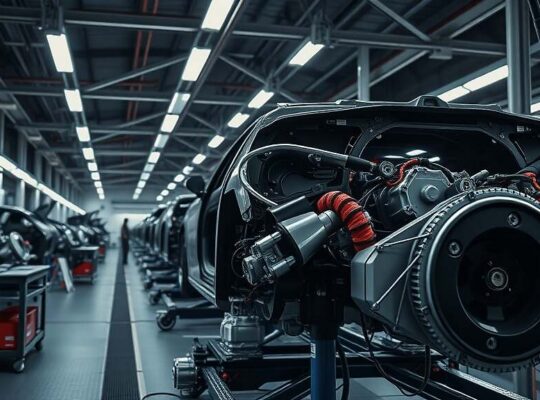
The German government is set to launch a new subsidy program aimed at accelerating the adoption of electric vehicles by private citizens, a move lauded as a potential boost for the domestic auto industry but also facing scrutiny regarding its scope and long-term impact. According to reports, individuals will be able to apply for funding ranging from €1,500 to €6,000 (approximately $1,600 – $6,400 USD), with the amount dependent on vehicle type, income level and family size.
An online portal for applications is expected to go live in May, with a significant element of the program allowing for retroactive claims – meaning purchases made from January 1st, 2026, onwards will be eligible. This retrospective element introduces a degree of administrative complexity and raises questions about the potential for a surge in applications.
Federal Environment Minister Carsten Schneider of the SPD party, who is scheduled to formally present the program, estimates that the available funds will cover approximately 800,000 vehicles over the next three to four years. He emphasized the potential benefits for the German automotive sector, highlighting the significant proportion of electric vehicles and plug-in hybrids registered in Germany that originate from European production, currently around 80%.
While the program aims to stimulate the electric vehicle market and support domestic automakers, critics are already questioning its efficiency and potential for inequitable distribution. The capped funding pool, despite being presented as an “initial boost” raises concerns about whether it will be sufficient to truly drive widespread adoption, especially given ongoing affordability barriers for many potential buyers. Furthermore, the eligibility criteria, tied to income and family size, risk creating a system perceived as favoring certain demographics over others, sparking a debate about fairness and accessibility within the transition to electric mobility. The retrospective nature of the program also invites skepticism regarding potential administrative burdens and opportunities for fraud, necessitating robust oversight mechanisms. The long-term sustainability of this incentive model and its contribution to Germany’s broader decarbonization goals will be key points for future evaluation.