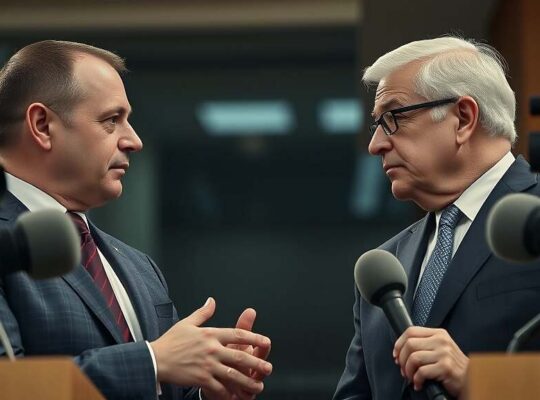
Following the abrupt collapse of coalition talks with the BSW (Basis Social Alternative), Brandenburg’s Social Democratic Party (SPD) leadership has formally authorized negotiations with the Christian Democratic Union (CDU), signaling a potentially significant shift in the state’s political landscape. The decision, ratified unanimously by the SPD’s state executive committee after consultations with its parliamentary faction, paves the way for official coalition discussions beginning next week.
A dedicated negotiation team has also been assembled, also by unanimous vote, hinting at a concerted effort to secure an agreement. SPD Secretary General Kurt Fischer characterized the move as a logical progression given “positive and productive” initial conversations with the CDU. He emphasized a shared commitment to advancing Brandenburg and addressing its major challenges.
However, the move is not without its complexities and potential pitfalls. The SPD’s sudden realignment, abandoning previous ideological stances to court the CDU, raises critical questions about the party’s internal direction and its responsiveness to its traditional electorate. While the stated objective is a forward-looking partnership, observers point to deep-seated policy differences-particularly concerning economic development, social welfare programs and environmental policy-that may prove difficult to reconcile.
The BSW’s departure from talks-rooted in disagreements over social policies and the handling of the energy transition-highlighted a growing unease within left-leaning circles regarding the SPD’s increasingly centrist trajectory. This new coalition prospect with the CDU risks further alienating those voters, potentially polarizing the political base and fostering a sense of disenfranchisement.
Analysts suggest that the SPD’s leadership is prioritizing stability and pragmatic governance over adhering to a rigid ideological platform, but the long-term ramifications for the party’s identity and support base remain to be seen. The success of these negotiations will hinge not only on finding common ground between the two parties but also on managing the potential backlash from voters critical of this unexpected political maneuver.