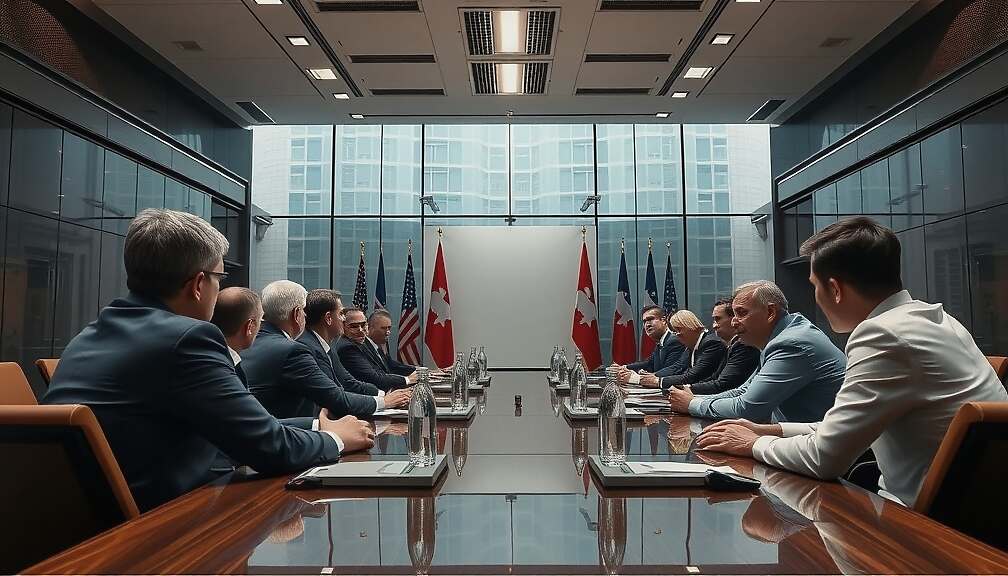
The European Union is scrambling to formulate a response to escalating trade threats from Donald Trump, targeting Germany and seven other European nations with potential tariffs. Indicators suggest an emergency EU summit could be convened within days, signaling the gravity of the situation.
The current impasse stems from a previously negotiated agreement between the EU and the United States, aiming for a reciprocal reduction of import tariffs. Under the tentative arrangement, a 15% tariff would apply to most imports from the EU, with the EU simultaneously lowering tariffs on many US imports to zero. However, Trump’s recent threats have cast a significant shadow over this potential deal.
Bernd Lange, Chairman of the European Parliament’s Committee on International Trade, voiced deep skepticism, stating to “Der Spiegel”, “If there’s no reliability across the Atlantic that the deal will be adhered to, we cannot convey that we will set US products’ tariffs to zero”. He characterized the situation as requiring a departure from “business as usual” emphasizing the untenable position of proceeding without assurances of reciprocal compliance from Washington.
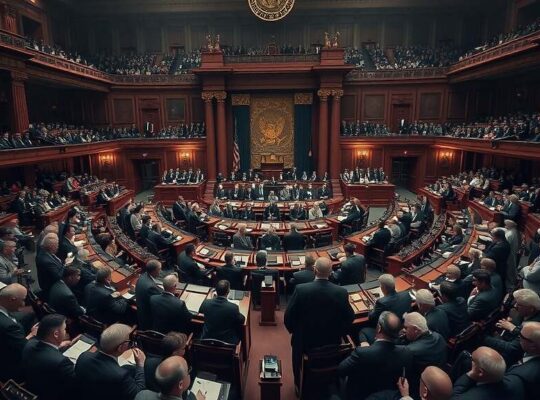
Next week, an anticipated vote in the European Parliament concerning the negotiated deal with the US was previously scheduled. Following Trump’s pronouncements, the likelihood of parliamentary approval now appears remote, highlighting the widespread concern and undermining the stability of transatlantic trade relations.
Lange is actively urging the EU Commission to invoke the Anti-Coercion Instrument (ACI), a mechanism designed to counter state actions leveraging trade for political leverage. The ACI would not only allow the EU to retaliate with counter-tariffs but also, crucially, permit measures such as patent suspensions against countries employing such coercive trade practices. The application of the ACI would represent a significant hardening of the EU’s stance, signaling a preparedness to defend its economic interests against perceived unfair pressure and challenging the unilateralism inherent in Trump’s approach. The move, while potentially escalating tensions, reflects a growing recognition within the EU of the need to protect its trade policy autonomy and assert its leverage in international negotiations.