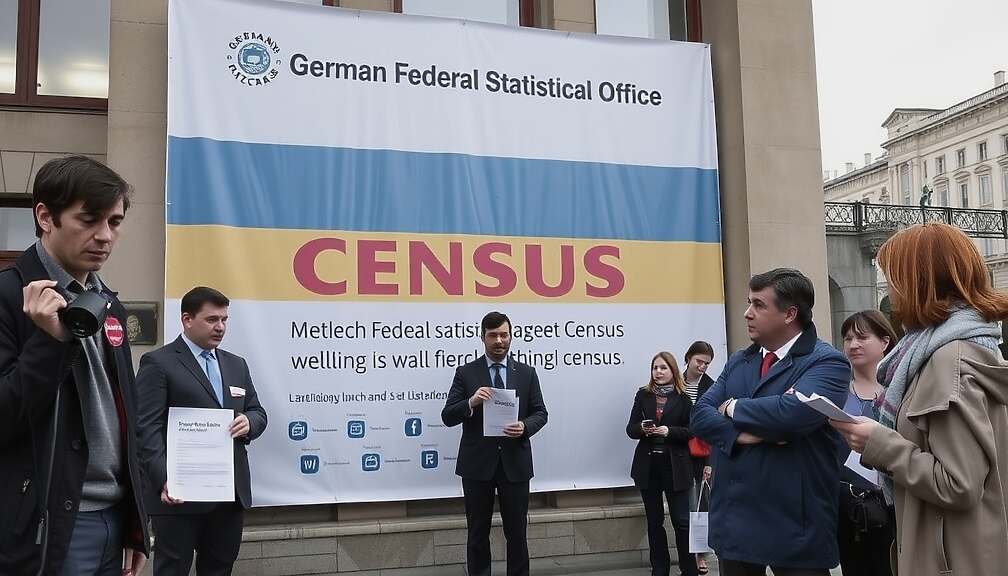
The 2026 micro‑census has begun. From January until December, about one percent of the German population living in private households and community housing is chosen at random by a statistical procedure and asked to participate. The chosen households are asked for their cooperation.
Respondents are meant to provide information on a variety of topics that represent the living conditions of many Germans. Topics include family life, education, labour‑market participation, migration, income, general living conditions, residential circumstances, and internet usage. The data will be shared with the public, policymakers, administrators, businesses, scientists, and the media.
Unlike the national census, which was last carried out in 2022 and is usually conducted every ten years, the micro‑census supplies current annual data on the population’s structure and on its economic and social situation. Every four years it asks deeper questions about housing-this year as well-providing insights into ownership rates, living space, and the average rental burden across German households.
In addition, the micro‑census incorporates questions that align with EU‑wide statistics on labour‑market participation, income, living conditions, and internet use. These internationally comparable results help shape measures aimed at ensuring equal living standards across the European Union, such as the allocation of financial resources from the EU’s regional and social funds.
Households selected through the random sampling are notified by the appropriate state statistical office and are legally obliged to respond. They can complete the questionnaire online, but some state offices use interviewers. A paper version of the questionnaire is also available for all participating households.