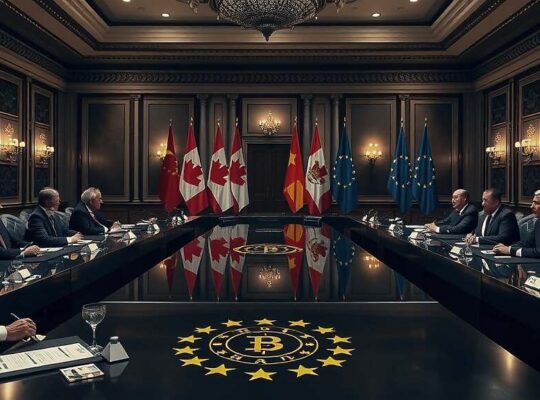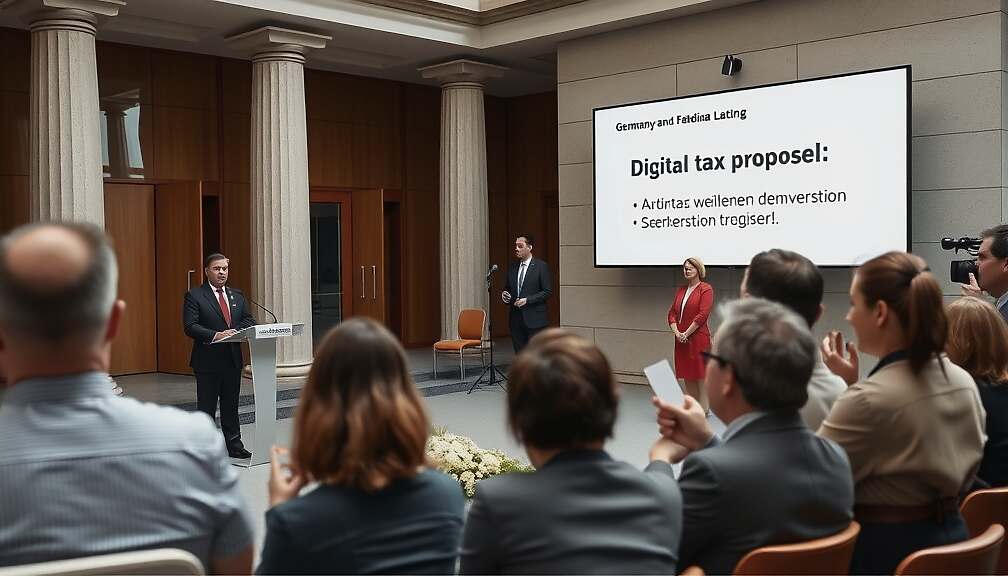
In the debate over a digital levy on U.S. and Chinese tech giants, North Rhine‑Westphalia’s media minister Nathanael Liminski (CDU) has introduced a concrete model for the first time. He proposes that the state apply its proven mechanisms of media‑concentration law and involve platforms such as Google and Meta in co‑financing other media offerings. According to Liminski, entities that hold public influence must help ensure media diversity; that is why major private broadcasters-RTL and Pro7‑Sat1, for instance-are barred from unlimited reach and are required to fund independent regional windows. He added that platforms would either face structural limits or be required to pay a levy tied to their reach, with the legal framework clearly specifying who benefits and how the proceeds are distributed.
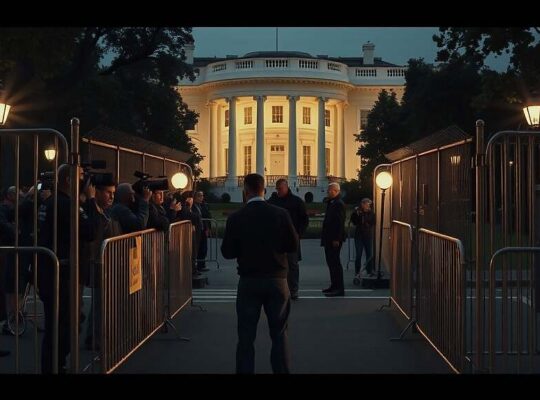
Liminski supports the plans of independent Media State Minister Wolfram Weimer, who will present a digital‑tax proposal later this year. He notes that this will demand political courage in today’s climate, especially because the United States has traditionally opposed such measures. Former President Donald Trump even threatened tariffs against states that imposed digital taxes or regulated U.S. firms. Despite that, Liminski remains resolute, pointing out that platforms have earned billions in Europe over the years-draining classical media’s advertising markets and exploiting journalistic content.
He warns that artificial intelligence has already sparked a new phase: services such as Google Overview reuse copyrighted material from other sources to produce new competing products, threatening the financial survival of journalism and the creative sector. “If this continues, only a handful of large platforms will soon dictate media for billions of people worldwide” he said.
Rhineland‑Palatinate’s Prime Minister Alexander Schweitzer (SPD) also endorsed a digital‑tax proposal during the weekend. Speaking to the “Rheinische Post”, he noted that AI systems use editorial material, transform it, and distribute it for free, undermining the business models of many private media outlets. Schweitzer said the levy’s exact amount must be negotiated among the circle of prime ministers, but urged that swift action is essential.