DB InfraGo director Philipp Nagl warned that the rail network’s poor condition will improve only gradually. “We have to expect a decade of rehabilitation” he told “Redaktionsnetzwerk Deutschland” on a Wednesday broadcast.
He noted that, even with around 40 additional large‑scale refurbishments on heavily trafficked routes, each completed project will make the situation better. The overall process should accelerate, but he urged that increased federal funding be sustained and expanded.
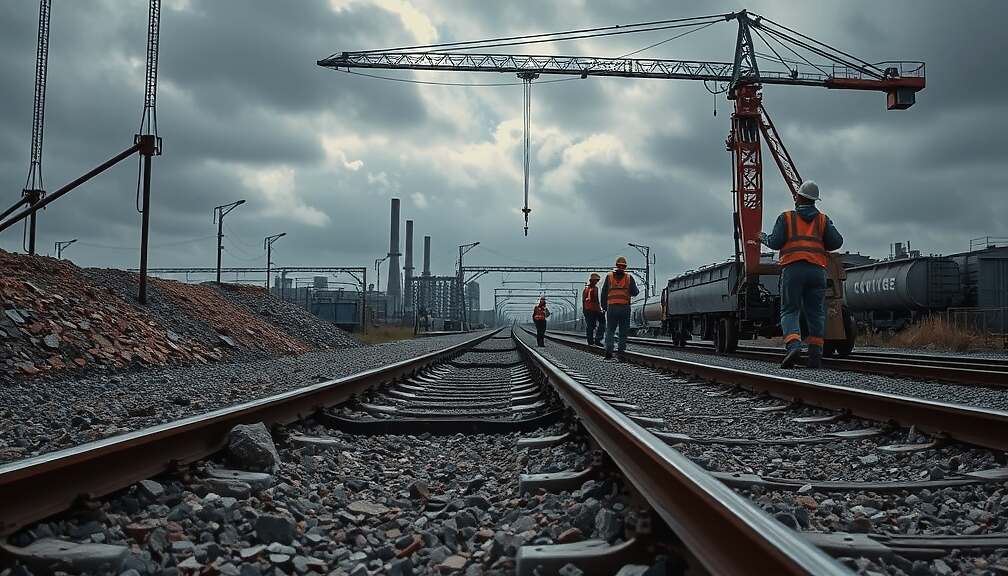
Despite frequent criticism of the plan-which calls for full‑track closures on long‑underfunded lines-Nagl upheld the strategy: “Compressed rehabilitation of entire corridors is the best tool to handle the enormous construction demand on these heavily loaded routes” he said.
He explained why digital upgrades are being postponed: the older signal boxes must be replaced first. “Half of the more than 4,000 signal boxes cannot be digitised; they date from the pre‑computer era and still use wire pulls or electromechanical rollers” he clarified.
In addition to corridor renovations, DB InfraGo is scheduling 28,000 smaller works sites this year, with more set to follow in the near term. Regional and freight operators-and passengers-bear the brunt, often receiving information too late. “We must, and want, to improve our communication” Nagl admitted. Steps have been taken to address this. Nevertheless, he stressed that the works are indispensable. “That is the only way to pull the network out of its downward spiral”.