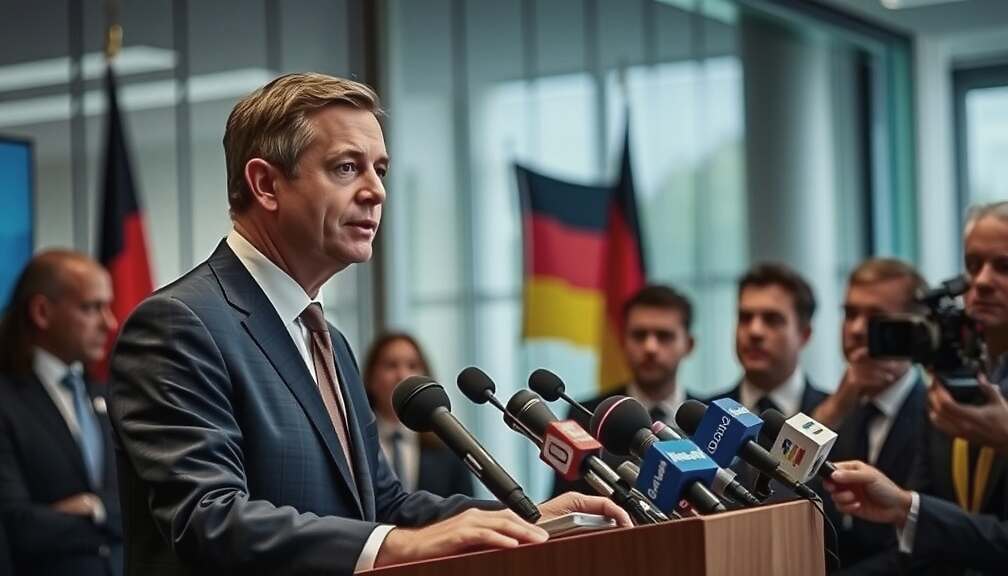
Mercedes chief Ola Källenius has warned that Germany’s economy is heading toward a decline and, indirectly, that this could open the door for the AfD’s rise. Speaking to “Der Spiegel” he said, “Germany has been moving in the wrong economic direction for about ten to fifteen years”. If the trend is not reversed, “right‑wing populists will come, and they have no solutions for anything”.
Källenius blamed a lack of willingness to work hard. He compared it to saying before the World Cup that “we have trained enough, even though everyone else trains twice as much”. Everyone knows that such an attitude cannot produce world‑class champions. He noted that Germany carries the world’s highest labor costs. For years higher productivity had offset those costs, but that is no longer the case. “We don’t want to turn Germany into an Asian‑style environment, but we must again steer energy, taxes and labor costs in a direction that makes entrepreneurship and investment worthwhile in Germany” he added. Otherwise capital will simply flow elsewhere.
Regarding part‑time work, Källenius defended the right to it, provided it has a concrete reason such as childcare or caring for a relative. “Part‑time for these reasons is a wonderful tool; many people can stay employed or return to the labor market that way” he said. Still, he emphasised that the German workforce must, overall, work harder, or “our unique productivity machine will become even more sluggish”.
On European industrial policy, Källenius called for a shift from obligations and penalties to market‑based incentives and massive infrastructure investment. He argued that whether it concerns chemicals, steel or cars, Europe repeats the same methodological mistakes everywhere, slowly eroding its economic strength. Regarding the EU Commission’s planned easing of the 2035 combustion‑engine emissions rule, he acknowledged that the EU has opened the door to technological openness for the first time. Yet that enthusiasm quickly faded; “we will not generate growth; instead we will shrink the market, as regulations dictate what consumers think and want at specific times”. He said he would discuss this with the European Council and Parliament over the coming months.