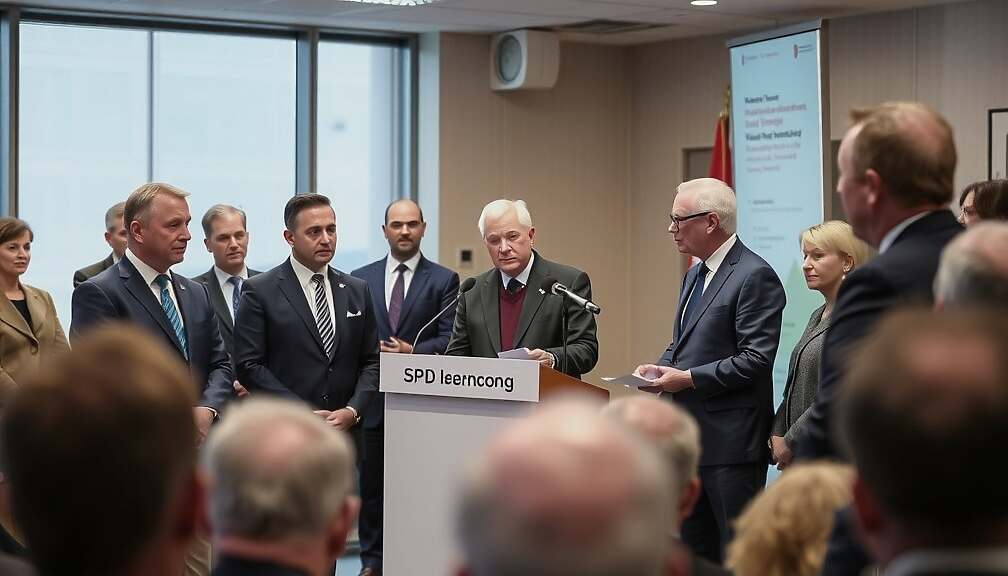
The Social Democratic Party (SPD) is proposing a new contribution to finance Germany’s health system. The idea comes from a board‑resolution drafted for the SPD executive committee, reported by “Der Spiegel” and based on an interim report from the party’s internal Social State Commission.
The resolution notes that, today, work income bears most of the burden of the health and care system. This heavy load hurts many people and undermines social justice, so the SPD wants a financing solution that also involves those who have thus far not made a fair contribution. It calls for a just and earmarked system that covers all types of income. In exchange, the party would reduce the traditional health insurance contributions.
The proposal signals a paradigm shift in health policy. In addition to earned income, the SPD would tap capital gains and rental income to fund the health system and widen the payer base. Currently, dividends and rents are counted only for voluntary members of the statutory health insurance (GKV) and only up to the contribution‑assessment ceiling.
Another component of the party’s broader social‑state plan is to extend compulsory pension insurance to civil servants, self‑employed people, and holders of public mandates. “A solidarity‑based retirement system must long‑term involve all working persons-those who work, pay” the resolution states. The SPD also wants to limit new appointments to core governmental tasks, thereby reducing the Civil Service size.
The party pledges to keep the pension level at a minimum of 48 % beyond 2031, with pensioners continuing to benefit from wage growth. The SPD opposes tying pension growth to inflation and advocates for a progressively rising pension standard.