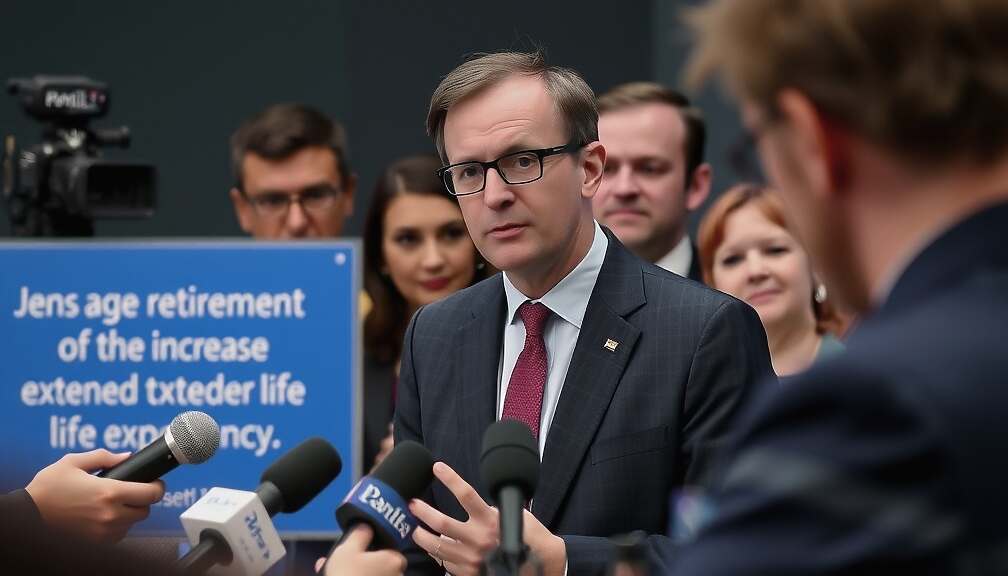
Jens Spahn, head of the CDU parliamentary group, says he expects a clear increase in the statutory retirement age. “If someone reaches 100, it’s not possible to stop working in the mid‑60s” he told the Times. About every second newborn girl in Germany will almost certainly become 100 years old.
According to the Federal Statistical Office (Destatis), the life expectancy at birth in 2024 was 83.5 years for women and 78.9 years for men. From 2011 to 2019, before the pandemic, the average rise was around 0.1 years per year for both sexes. Had that trend continued unchanged after 2019, it would take roughly 165 years for women’s life expectancy to reach 100 years and about 212 years for men’s.
Spahn argues that as life expectancy climbs, the retirement age will rise as well. He therefore expects the Pension Commission to propose higher retirement ages and longer working lives. The current normal retirement age is being gradually increased to 67 years, without reductions.
When asked whether the federal government might relax the debt brake to rescue social funds, Spahn answered firmly that there is “no room for additional debt”.