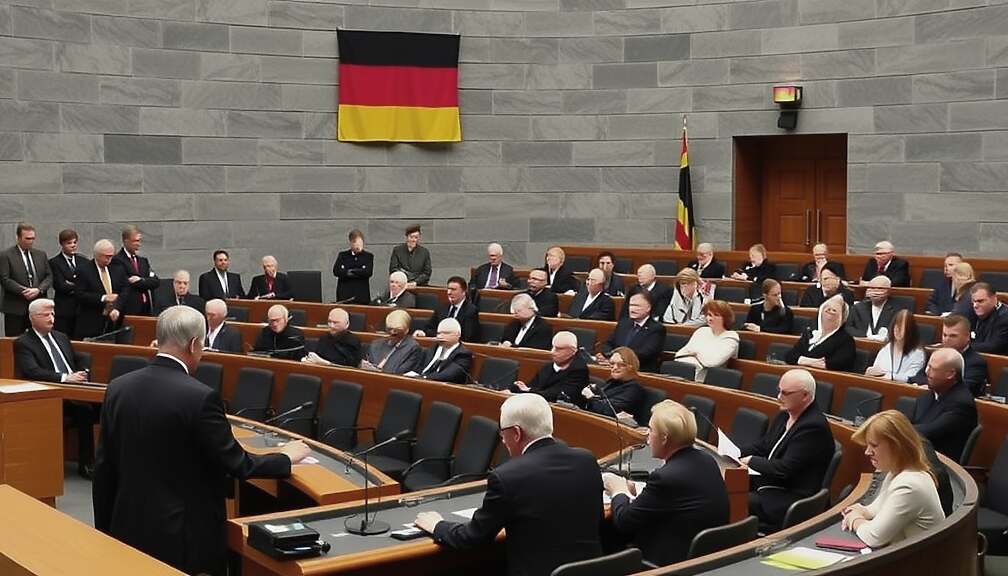
The Bundestag adopted the controversial Geas reform, with the relevant bills receiving the required majorities on Friday. The reform introduces new rules governing asylum procedures at the EU’s external borders, the registration of asylum seekers, and restrictions on their freedom of movement. It allows for the transfer of applicants to third‑country states and the relocation of asylum procedures to those countries. Amendments also affect the Dublin system, which determines which member state is responsible for handling an asylum claim. A new “solidarity mechanism” will help ensure that all EU countries contribute proportionally to refugee intake.
German Interior Minister Alexander Dobrindt has announced plans to establish “Return Hubs” outside the EU. These centers would serve as points from which asylum seekers who are not granted protection can be deported directly to third‑country states. He also intends to set up secondary migration centers equipped with a residence obligation for those who have already received protection in another EU country or for whom the Dublin rules assign responsibility in a different state.
In addition, the new legislation will give asylum seekers faster access to the labour market. After just three months of residence, they may be authorised to work, provided they have a foreseeable future in Germany. Those from safe‑country origins and Dublin cases are exempt from this provision.
Criticism from the Greens, the Left Party and church organisations focusses on the risk of “de‑facto imprisonment” in the proposed centers, especially for families with children. According to the proposal, the residence obligation for such families would be capped at a maximum of six months.