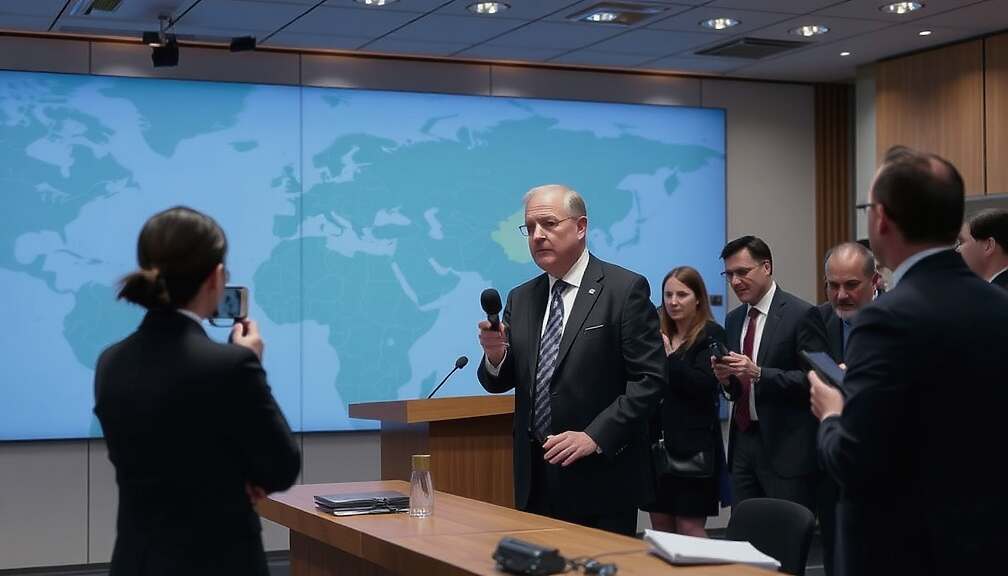
In Germany, worries are rising that the war in the Middle East could spill over into Europe’s security environment. Marc Henrichmann, chairman of the parliamentary intelligence‑oversight committee (Parlamentarisches Kontrollgremium), told the “Süddeutsche Zeitung” that the escalation has effects beyond the region. He warned that Iran’s regime has repeatedly shown it will conduct terror attacks outside its borders and that the country is now in an “absolute struggle for survival”. Henrichmann added that retaliatory actions-including the use of Iranian sleeper cells in Europe-cannot be excluded. Israeli, Jewish and American institutions have been long‑time targets, and protective measures may need to be further adjusted. “Vigilance is now the order of the day” he said, but reassured that the existing safeguards should keep panic at bay.
Former CDU foreign‑policy spokesman Jürgen Hardt sees the death of Ayatollah Khamenei as a chance to free Iran from its Mullah regime and move toward a democratic future. Speaking to the “Rheinische Post”, Hardt said the new leadership trio faces a crucial decision: either collapse in its fight against the United States or enable a democratic transition. He stressed that the days of the current regime are counted.
Hardt also noted that President Trump intends to leave the transition in the hands of the Iranian people rather than shape it himself, a lesson he said stems from experiences in Afghanistan and Iraq. According to the Union faction’s foreign‑policy spokesperson in the Bundestag, this approach could succeed because of Iran’s vast civil‑society potential. A new Iran would become a success model if it represents all ethnic groups and stops supporting Hezbollah, the Houthi movement, and other militias. Hardt added that those who were killed were among the world’s most radical anti‑Semites and aimed to destroy Israel and the Jewish people.