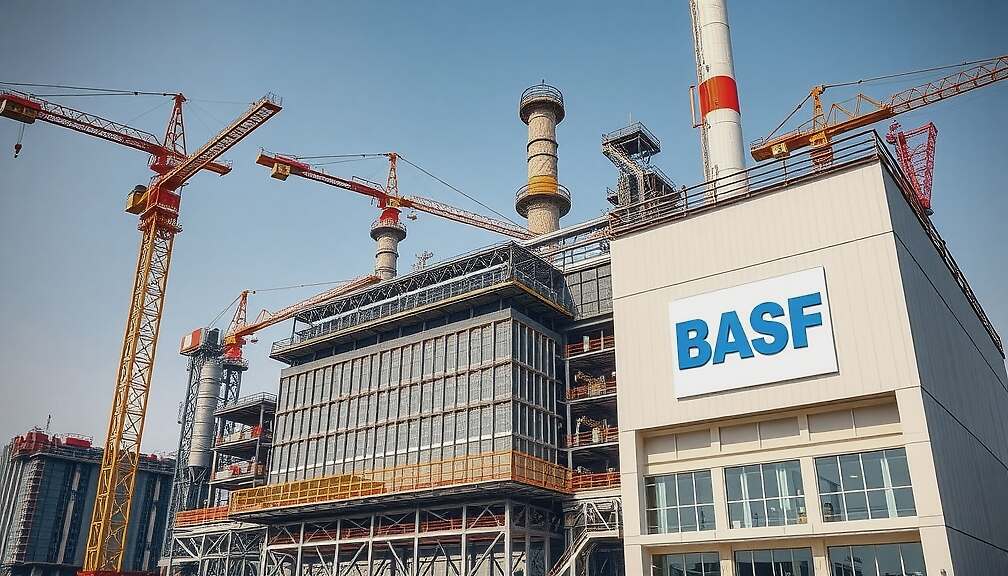
Shortly before the inauguration of a new chemical plant in China, BASF CEO Markus Kamieth admitted that the multi‑billion‑euro investment will take longer than planned to become profitable.
“We are launching in an oversupplied market where prices and margins are at historically low levels” he told the “Frankfurter Allgemeine Sonntagszeitung”. “Profitability will therefore be noticeably below our initial expectations during the first few years”.
Despite this, Kamieth defended the decision to build the new facility. Geopolitical risks-such as the looming Taiwan conflict-did not alter his assessment. He argued that halting investment in China would force the company to retreat from half of the global market, a risk he considered far greater than the potential political uncertainties in China itself.
Regarding the impact of the Iran war and the Hormuz Strait blockade, Kamieth said the current effects are still manageable. “At present the Hormuz Strait does not pose an immediate bottleneck for raw materials or global product distribution” he explained.
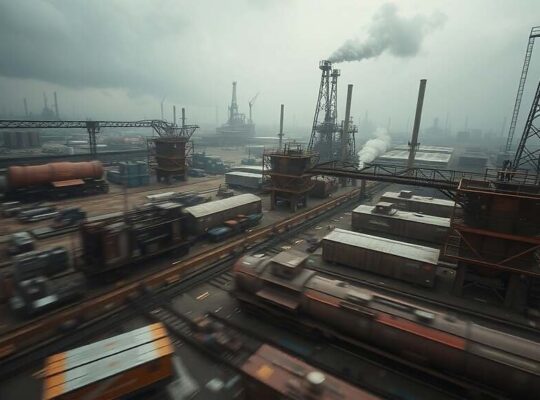
The new site in Zhanjiang, southern China, set to open next Thursday, cost approximately €8.7 billion. This marks the largest single investment in BASF’s history as a company founded in 1865. Kamieth emphasized that, on a long‑term basis, the group still invests most of its capital at its flagship plant in Ludwigshafen. The new Chinese location is not intended to replace recently shut plants in Ludwigshafen, and no production is being transferred there.