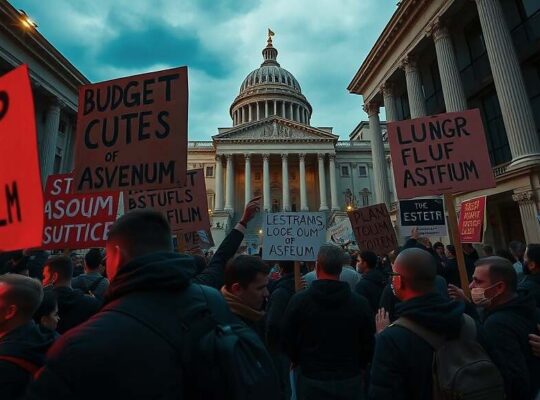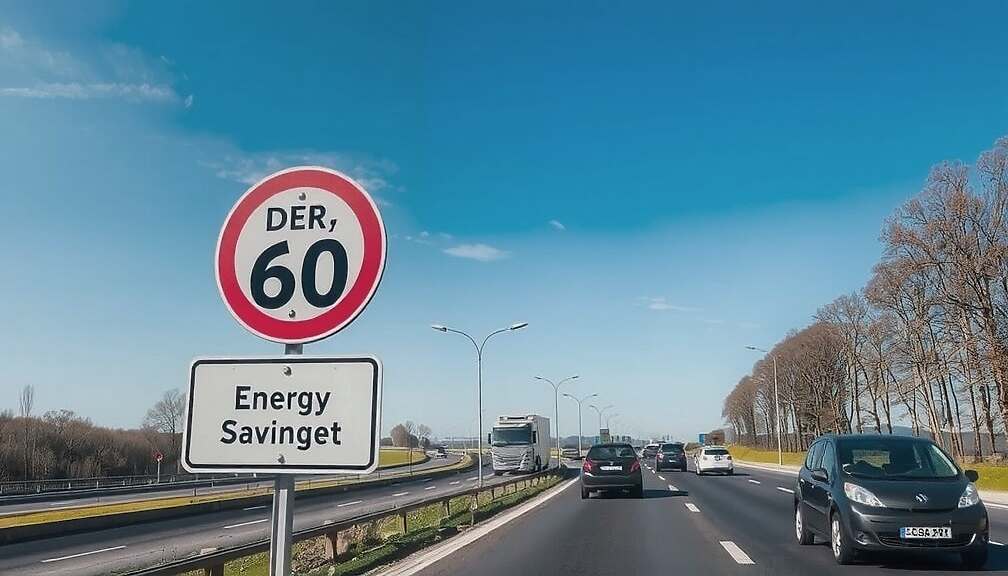
Mohamed El‑Erian, the American economist who advises the insurance group Allianz, warned that the war in Iran is already producing severe structural damage to the global economy. To curb energy consumption, he proposed that Germany consider a national speed limit, citing examples from other countries that are encouraging work‑from‑home arrangements or implementing traffic‑control measures as ways to reduce energy use.
El‑Erian argued against price controls on gasoline, describing himself as a purist who views such a policy as ill‑advised. Instead, he advocates targeted financial relief-support for the most vulnerable groups-to help manage the cost burden.
He stressed that the Middle‑East conflict has caused irreversible economic harm. Even if it ended today, higher energy prices, elevated inflation, and rising interest rates would persist for some time. Additional damage to the Gulf states’ energy infrastructure would exacerbate these problems, threatening economic and financial stability. El‑Erian warned that the “spirit of inflation” is out of the bottle and will not be fully contained again. For Europe, he estimates a 35 % probability of a recession in the current climate.
El‑Erian added that Germany possesses both fiscal capacity and room for structural reforms to buffer the country against the war’s fallout. He believes that a coordinated regional approach could help Europe soften the crisis’s impact. He urged the adoption of joint debt instruments-something akin to Eurobonds-pointing out that a solitary effort by each European state could be difficult, noting for instance that France has very limited fiscal leeway.
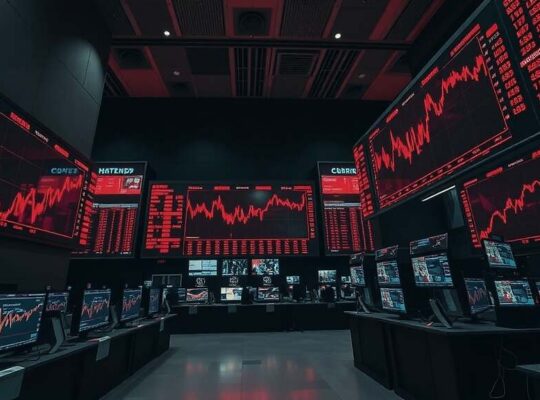
Turning to the United States, El‑Erian sees significant inflationary and growth risks, as well as threats to financial stability. He compared the present situation to past financial crises. After President Trump issued an ultimatum to Iran last weekend, indications emerged that liquidity shortages might appear in financial markets; Trump later reversed or extended the ultimatum, adding further uncertainty.