About two months after the state election in Baden-Württemberg, Cem Özdemir (The Greens) was elected as the new Premier of the state, although the process included a notable setback for him.
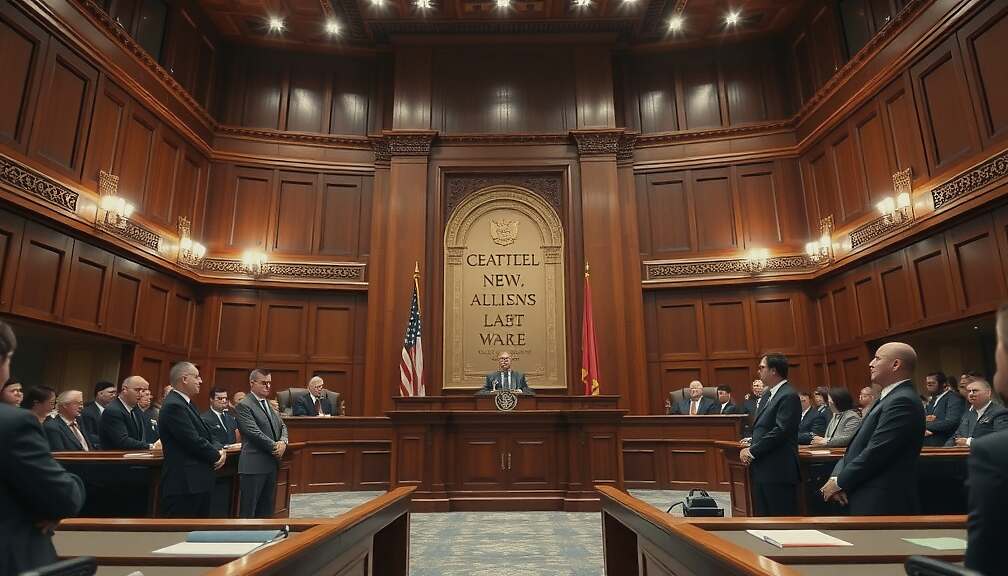
During the vote in the state parliament, Özdemir received only 93 votes. The coalition formed by the CDU and The Greens together secured 112 seats in the parliament. The outcome of the vote was complex: 26 deputies voted ‘no,’ four abstained, and 34 deputies voted for CDU regional leader Manuel Hagel, who had been nominated by the AfD against his wishes. The AfD itself has 35 deputies who were all present. Notably, Hagel had rejected this nomination during the plenary session and will instead serve as the Minister of the Interior in the new coalition government.
The Greens and the CDU have been governing together in Baden-Württemberg since 2016, and since the March election, both parties have been equal in terms of seats in the state parliament. However, The Greens achieved a slight lead in the election results, winning by half a percentage point.
The new coalition agreement outlines several ambitious goals. Among these is the aim of making the state climate-neutral by 2040, thereby five years earlier than the federal government. Furthermore, the agreement plans to enable company formations within 48 hours.
The agenda includes several other initiatives: establishing a mandatory, cost-free final kindergarten year; introducing an efficiency law that requires every new regulation to eliminate two old ones (a “one-in, two-out” rule); and creating a “Future Fund” to leverage private investments for startups, expansion, and technological value creation.
On a broader level, the state government intends to advocate at the European level for a ban on social media for children and adolescents under the age of 16. Additionally, one billion euros are earmarked for municipal investments focused on energy-efficient refurbishments and energy efficiency. Finally, a new building type, the “BW Standard” aims to make constructing and renovating buildings more cost-effective.